Fastest Way to Settle in Canada From Cameroon: A Practical 2026 Guide

Important correction: there is no shortcut that turns a tourist visa into permanent settlement in Canada. A Temporary Resident Visa (visitor visa) is for visiting only and requires you to demonstrate you intend to return home — it is not a settlement pathway, and using it with the intent to stay permanently can be considered misrepresentation, which can result in a multi-year ban from Canada. If you are looking for how to legally immigrate from Cameroon to Canada, see our guide: How to Become a Permanent Resident in Canada From Cameroon, which covers Express Entry, Provincial Nominee Programs, study permits, and family sponsorship in detail.
This guide instead focuses on what actually makes settlement fast and smooth once you have a legal pathway in place — the practical steps for arriving, registering, and integrating in Canada after your permanent residence or work/study permit is approved.
Step 1: Confirm Your Legal Status Before You Travel
Before booking any flight, make sure you are travelling under the correct document for your purpose — a confirmation of permanent residence, a study permit, or a work permit, depending on your approved pathway. Flights from Cameroon to Canada generally route through a layover in Europe (such as Paris or Brussels) or the Middle East, with total travel time of roughly 17-20 hours including connections. Book several weeks ahead for better fares and shorter layovers, and double-check your passport is valid for at least six months beyond your planned travel date.
Step 2: Handle Your First Week Essentials
- Social Insurance Number (SIN). Apply for your SIN as soon as you arrive — you need it to work legally and to access most government services.
- Bank account. Most major Canadian banks offer newcomer banking packages with no-fee accounts and starter credit lines, even without Canadian credit history. Bring your passport, immigration documents, and proof of address.
- Phone plan. A local SIM card or plan makes it much easier to handle banking verification, job applications, and housing searches.
Step 3: Register for Provincial Healthcare
Each province runs its own public health insurance plan, and most have a waiting period (commonly up to three months) before coverage begins after you arrive. Register as soon as you land, and arrange private health insurance to cover the gap. See our detailed guide on personal health insurance for newcomers to Canada for how to bridge that waiting period safely.
Step 4: Find Housing
Research neighbourhoods and typical rents before you arrive if possible. Major cities like Toronto, Montreal, and Vancouver have higher rents than smaller cities or Atlantic Canada. Many newcomers start with short-term furnished housing for the first few weeks while they view apartments in person, since landlords are often hesitant to rent long-term to applicants without Canadian rental history or credit scores — ask about provincial tenant rights and consider a co-signer or larger deposit if this is a barrier.
Step 5: Use Free Settlement Services
IRCC funds free settlement services across Canada covering language classes, employment workshops, and orientation sessions — these are available to permanent residents (and in some cases protected persons) and can dramatically speed up integration. Find a local settlement agency through the official IRCC newcomer services finder.
Step 6: Start Your Job Search Early
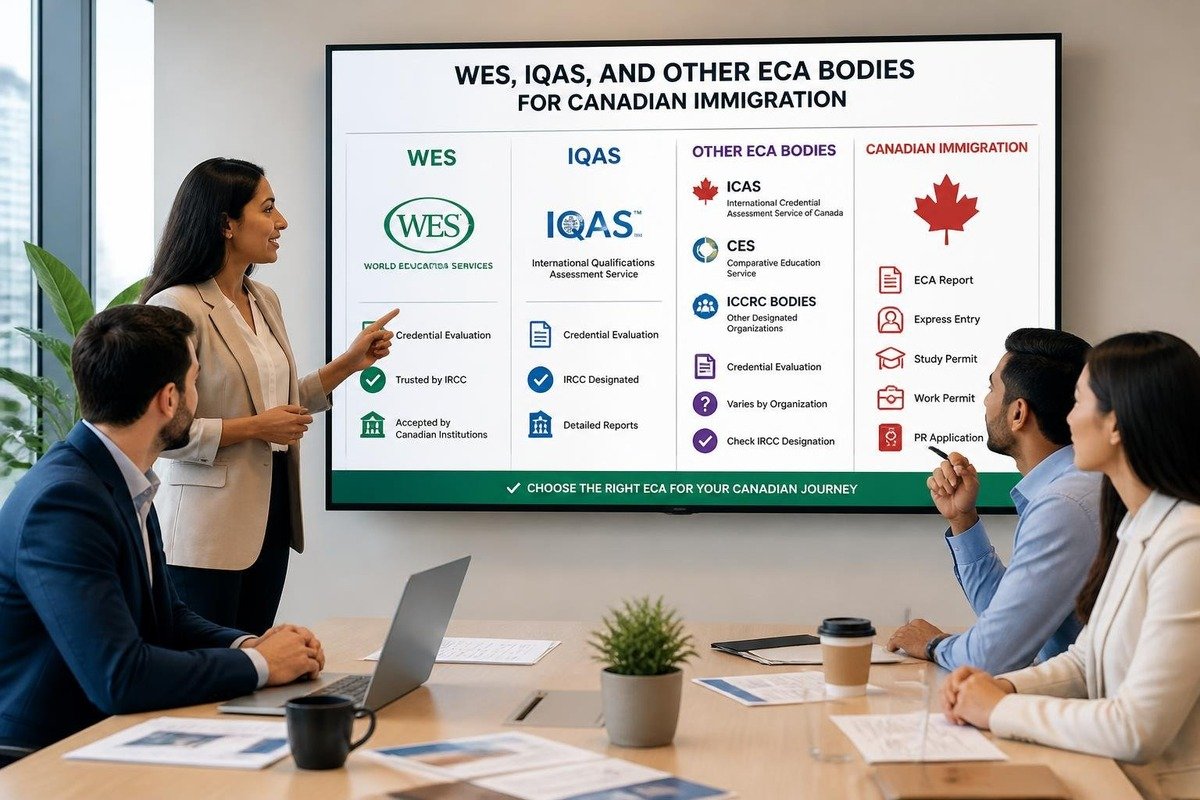
If you do not already have a job offer, begin networking and applying before or immediately after you arrive. Have your Educational Credential Assessment (ECA) ready, since many employers and regulated professions require it to evaluate your Cameroonian qualifications. For broader career-building advice once you are settled, see our guide: Tips to Grow Your Career in Canada as a Newcomer.
Frequently Asked Questions
Can I use a tourist visa to settle in Canada permanently?
No. A Temporary Resident Visa is strictly for visits and requires proof you intend to leave Canada by the end of your authorized stay. Attempting to use it as a backdoor to permanent settlement risks a finding of misrepresentation and a ban on future applications. Use one of the recognized immigration pathways instead — see our Cameroon-specific PR pathways guide.
What is genuinely the fastest legal pathway from Cameroon?
It depends on your profile, but a strong Express Entry CRS score, a Provincial Nominee Program nomination, or an existing family sponsor in Canada are generally the quickest realistic routes to permanent residence. Study-then-work pathways take longer but carry less risk for applicants who don’t yet qualify for the faster routes.
How long is the flight from Cameroon to Canada?
There are no direct flights. Expect roughly 17-20 hours including a layover, typically through a European hub like Paris or Brussels.
How soon can I access public healthcare after arriving?
Most provinces have a waiting period of up to three months before public coverage starts, so arrange private health insurance for that gap.
Do I need a job offer before I arrive?
Not necessarily, but it helps. Many newcomers arrive without a job offer and use settlement services, networking, and credential assessments to find work after landing.
Conclusion
There is no fast track that substitutes a tourist visa for genuine immigration status — the real way to settle quickly in Canada from Cameroon is to secure a legitimate pathway (Express Entry, a PNP nomination, a study or work permit, or family sponsorship) and then move efficiently through the practical steps above: SIN, banking, healthcare registration, housing, and settlement services. For the immigration pathway decision itself, start with our Cameroon PR pathways guide.