Helping Newcomers Thrive in a New Country

Landing in Canada is the easy part. What actually determines whether your first year feels like progress or chaos is what happens in the days and months right after — the paperwork, the bank account, the health card, the apartment hunt, the first awkward attempt at small talk in a new accent. None of it is complicated on its own. It’s the sheer number of small tasks, all at once, that overwhelms newcomers.
This Canada settlement guide lays out exactly what to prioritize, in what order, so you can go from “just arrived” to actually settled — with the real 2026 rules on settlement services, banking, and healthcare wait times baked in.
Canada Settlement Guide: Your First Week Checklist
A few tasks unlock everything else, so do these first:
- Apply for your Social Insurance Number (SIN) — you cannot legally work, open most accounts, or access government benefits without one. It’s free and can often be done online or at a Service Canada office the same week you arrive.
- Get a local phone number. Most banks, landlords, and employers will ask for one before anything else.
- Open a bank account. You do not need a job, a credit history, or a minimum deposit to open a basic chequing account in Canada — banks are required by law to offer one to eligible newcomers. See our breakdown of which account types actually save you money.
- Apply for provincial health coverage as soon as you have a permanent address (more on wait times below).
- Secure a mailing address — even temporary housing works for most applications, but you’ll need proof of it for several of the above.
Setting Up Your Finances
Banking without a credit history
All major Canadian banks run dedicated newcomer programs, usually waiving fees for the first one to two years:
- RBC Newcomer Advantage — fee-free banking in year one, plus a starter credit card that doesn’t require Canadian credit history.
- TD New to Canada Banking Package — supports online account opening, including pre-arrival setup from select countries.
- Scotiabank StartRight Program — open to newcomers within their first five years in Canada, with no monthly fees for 12 months on the Preferred Package.
Building credit from zero
A secured credit card is the fastest legitimate way to start a Canadian credit history. You put down a refundable deposit — typically $300 to $1,000 — which becomes your credit limit. Use it for small recurring purchases and pay the full balance on time every month; payment history is the single biggest factor in your credit score. For newcomers planning to invest once they’re stable, our guide on investing smartly as a newcomer in Toronto is a useful next step once your finances are set up.
Practical tip: Avoid applying for multiple credit products at once in your first few months — each hard credit check can temporarily lower a score you haven’t even built yet.
Getting Health Coverage
Healthcare access depends entirely on which province you land in, and the wait times genuinely differ:
- Ontario: No waiting period for OHIP — you can apply and receive coverage as soon as you’re eligible.
- Nova Scotia and Manitoba: No waiting period either — coverage applies from your date of arrival.
- Most other provinces: A standard three-month waiting period applies before provincial health insurance kicks in.
If you’re in a province with a waiting period, get private health insurance to cover the gap — an unplanned emergency room visit without coverage can run into thousands of dollars. See our explainer on how health insurance works in Canada before you arrive, not after you need it.
Finding Housing
Housing is consistently the hardest part of settling in for newcomers, especially in major cities. A few realities worth knowing going in:
- Landlords frequently ask for Canadian credit history or a guarantor — something brand-new arrivals don’t have. Offering a larger deposit or several months of rent upfront can sometimes substitute.
- Short-term or furnished rentals are a practical bridge while you search for something permanent, even though they cost more per month.
- Social and subsidized housing exists but has long waitlists in most major cities; it’s not a realistic short-term solution. Our look at the state of social housing in Canada explains why the wait times are what they are.
- If you’re a student rather than settling permanently, surviving Toronto’s rental market after graduation covers a lot of the same tactics that apply to any newcomer in an expensive city.
Language and Community
Even fluent English or French speakers benefit from formal settlement-language support — it’s often the fastest way to meet other newcomers and learn local workplace norms, not just grammar. Free and subsidized classes are widely available; see our guide on boosting your English or French as a newcomer for where to start.
Local settlement agencies (often funded directly by IRCC) also run social and mentorship programs specifically to help newcomers build a community faster than they would on their own — worth seeking out even if you feel like you’re managing fine alone.
Getting to Work
- Reformat your resume. Canadian resumes are typically shorter, skip photos and personal details, and lead with achievements rather than job descriptions.
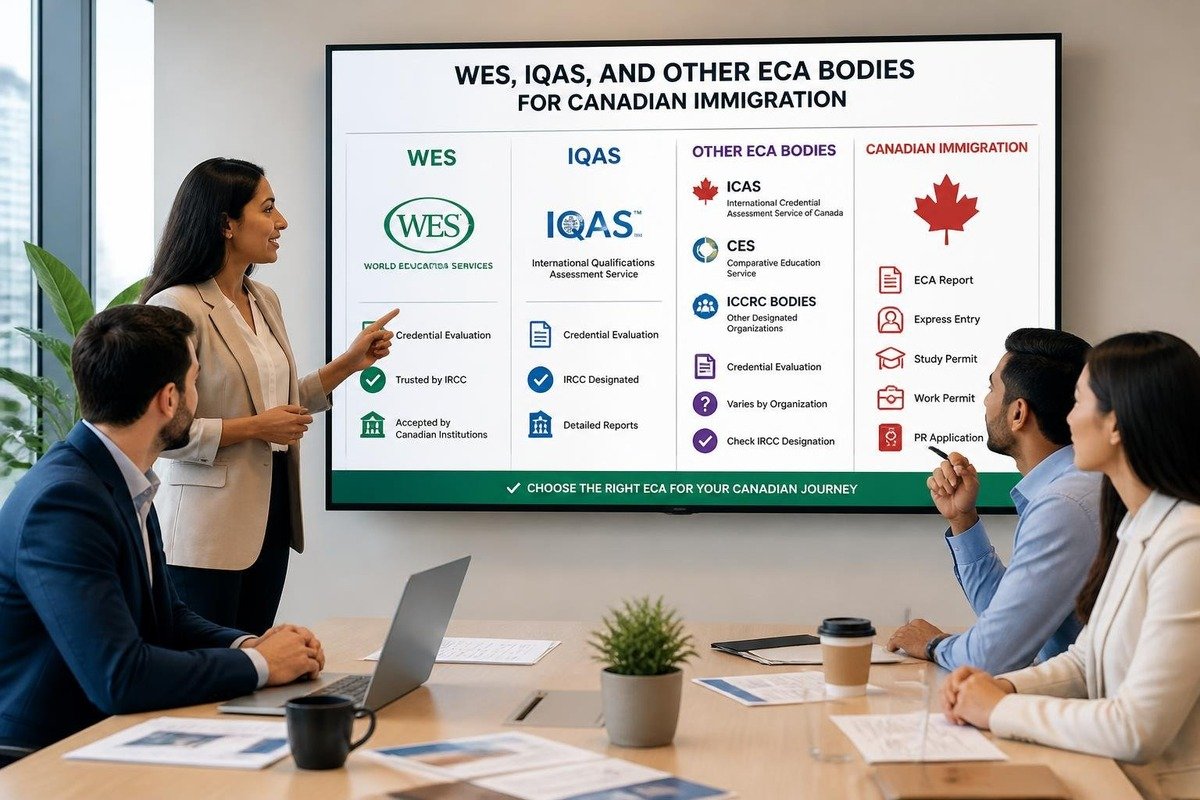
- Get your credentials assessed if your profession requires licensing (engineering, nursing, accounting, teaching) — this can take months, so start early even before you have a job lined up.
- Use settlement-agency employment services — many offer free resume reviews, mock interviews, and direct connections to newcomer-friendly employers.
- Expect a transition period. Many skilled newcomers take a bridge role outside their field for the first several months while they build Canadian references and experience.
If you originally arrived as an international student, our tips for international students post covers the transition from study permit to working professional in more detail.
Free Government-Funded Settlement Services
IRCC funds a wide network of settlement agencies that provide free orientation, language classes, employment support, and community connections to eligible newcomers. One important change to know about for 2026:
- Effective April 1, 2026, economic class immigrants are now eligible for IRCC-funded settlement services for six years from the date they become a permanent resident, or until they become a Canadian citizen, whichever happens first, according to IRCC’s official notice on settlement service eligibility changes.
- Several newcomer categories — including refugees and some family-class members — retain unlimited access with no time restriction.
- Services include language training, employment help, child care support during program participation, and targeted support for newcomers with disabilities.
Practical tip: If you’re an economic-class immigrant, don’t wait to use these services — the clock on your six years starts on your PR date, not on whenever you get around to looking for help.
Common Mistakes New Arrivals Make
- Delaying the SIN application, which then blocks banking, payroll, and benefits applications
- Skipping private health insurance during a provincial waiting period
- Signing a full-year lease sight-unseen before understanding the neighbourhood or commute
- Not starting credential recognition early enough for regulated professions
- Trying to do everything alone instead of using free settlement-agency services you’ve already paid for through taxes and fees
Final Thoughts
This Canada settlement guide comes down to one idea: thriving in a new country isn’t about getting everything right immediately — it’s about sequencing the essentials correctly so one task doesn’t block five others. SIN, banking, health coverage, and housing come first. Language support, community connections, and career rebuilding follow naturally once the foundation is in place.
The newcomers who settle in fastest aren’t the ones who arrive with the most money or the best English — they’re the ones who use the free help that’s already available to them instead of figuring it all out solo.
Frequently Asked Questions
What should I do first when I arrive in Canada?
Apply for your Social Insurance Number (SIN) immediately — it’s required before you can work, open most financial accounts, or access government benefits.
Do I need a credit history to open a bank account in Canada?
No. Banks are required by law to offer a basic chequing account to eligible newcomers regardless of credit history, job status, or minimum deposit.
How long do I have to wait for health coverage as a newcomer?
It depends on your province. Ontario, Nova Scotia, and Manitoba have no waiting period. Most other provinces require a three-month wait, during which private health insurance is strongly recommended.
How long can I access free IRCC-funded settlement services?
As of April 1, 2026, economic class immigrants can access these services for six years from their PR date, or until they become a citizen, whichever comes first. Some categories, like refugees, retain unlimited access.
How do I build credit with no Canadian credit history?
A secured credit card is the most reliable starting point. You provide a refundable deposit that becomes your credit limit, then build history by making small purchases and paying the balance in full every month.
Is it normal to take a job outside my field when I first arrive?
Yes, it’s common, especially in regulated professions where credential recognition takes time. Many newcomers use a bridge role to build Canadian references while completing licensing requirements in parallel.
This post is for informational purposes only and does not constitute legal, financial, or immigration advice. Settlement service eligibility, banking offers, and provincial healthcare rules are subject to change — always verify current details with IRCC, your province, and your financial institution.