Specific Eligibility Criteria for Permanent Residency: Clear Requirements, Documentation, and Application Steps
You want a clear answer: eligibility for permanent residency usually hinges on a mix of core prerequisites like legal status and admissibility, plus program-specific tests for language, work history, education, family ties, finances, and health and character checks. I will show you which exact criteria matter for each pathway so you can focus your time and documents on what truly counts.
I’ll walk through how language scores, education credentials, job experience, proof of funds, and family sponsorship rules affect your chances, and I’ll point out where timelines and document validity often trip people up. Follow along to learn which rules apply to your situation and what to prepare next.
Core Prerequisites for Application
I list the main conditions applicants must meet: proof of physical presence or qualifying ties, acceptable age and education or work credentials, and a current legal status that lets you apply. Each point affects whether your file is processed, how long it takes, and if any additional documents are needed.
Residency Requirements
I explain how time in Canada or ties to Canada matter. For most programs I look for continuous physical presence or specific work periods. For example, to qualify for some federal routes you often need at least one year of skilled work in Canada under a valid work permit, while provincial nominees may require living in the province for a set period or proof of intent to settle there.
I always advise tracking entry and exit dates, pay stubs, T4s, and employer letters. These documents show the exact number of days or months you were in Canada and verify job duties and hours. Missing or inconsistent records cause delays or refusals.
Age Limitations
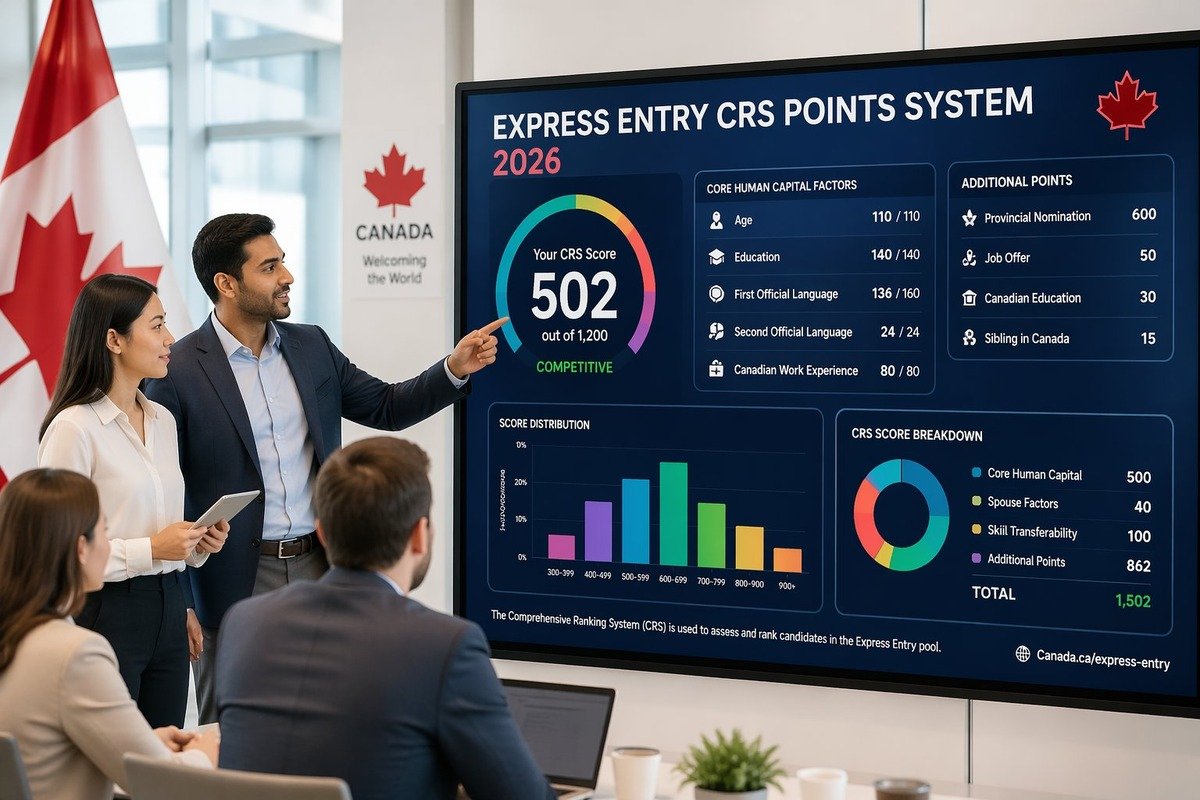
I note that age itself is rarely a strict bar, but it affects points and program fit. For Express Entry-style systems, younger applicants usually score higher on age-related points; applicants aged 18–35 often receive the maximum. Applicants over 45 may score zero for age but can still qualify if other factors (education, experience, language) compensate.
For family sponsorship or humanitarian programs, age matters less than relation and vulnerability. I recommend checking the specific program grid for exact age-related points or limits before applying, so you can plan tests or credential upgrades to improve your profile.
Valid Immigration Status
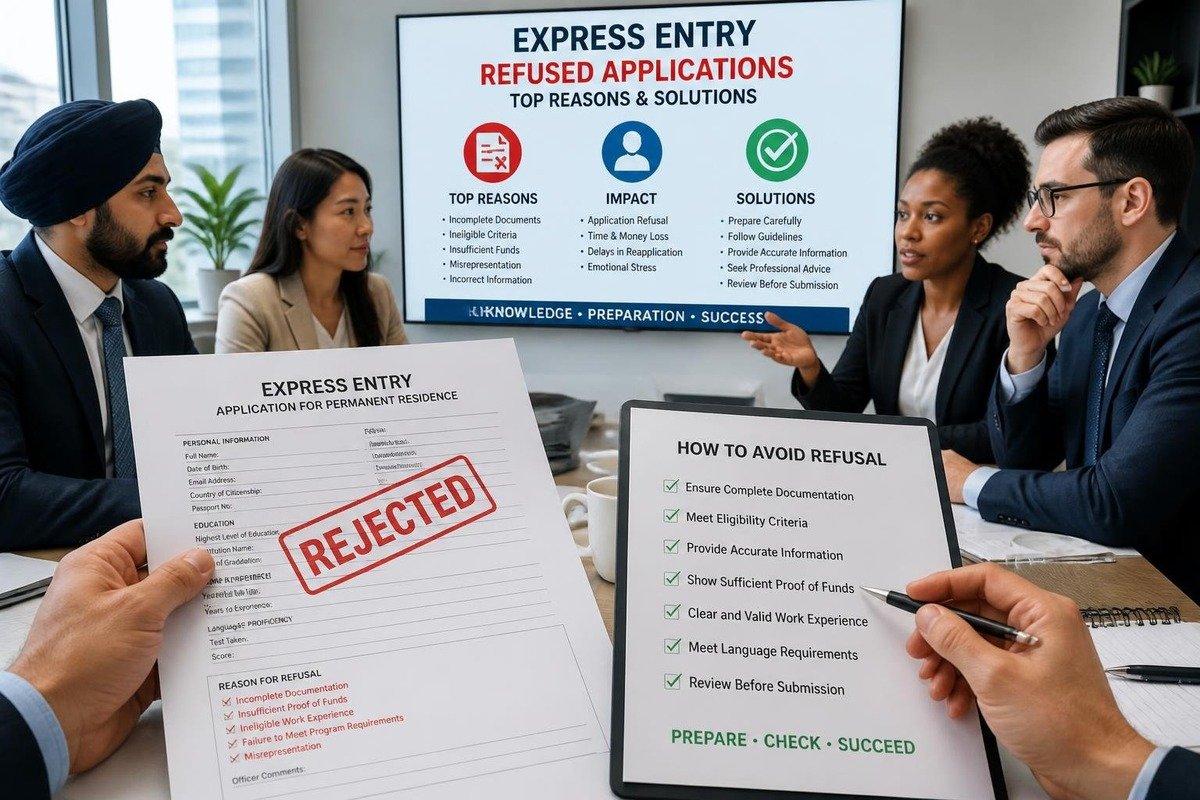
I stress that your current legal status in Canada must be clear and maintained when you apply. I require copies of your work or study permits, visitor records, and any restoration applications. Applications submitted while you are out of status often face refusal unless you apply to restore status first.
I also check that your permit conditions allow the activities you claim (work hours, occupation). If you hold an open work permit, document the permit number and dates. If you are applying from outside Canada, show valid passports and visas. Keeping uninterrupted valid status simplifies processing and reduces the chance of inadmissibility issues.
Proof of Financial Stability
I explain what counts as sufficient money and which documents you must show. You need to prove you (and your family) can support yourselves when you arrive, using specific fund amounts and clear bank or asset papers.
Income Thresholds
I must show the exact minimum settlement funds set by the government for my family size. For one person, this is a set amount that increases with each additional family member. If I have a valid, full‑time Canadian job offer that meets IRCC rules, I may be exempt from these funds.
I should use the most recent official table from Immigration, Refugees and Citizenship Canada (IRCC) to find the current figures because they change yearly.
When I submit proof, I need bank statements or official letters that show available, unencumbered funds in my name or with my spouse/partner. Funds held in investments or retirement accounts can count only if they are easily converted to cash and documents clearly show access. I must show currency conversion and totals in Canadian dollars if statements use another currency.
Asset Documentation
I gather formal documents that prove ownership and liquidity. Acceptable items include recent bank statements, official bank letters on letterhead with account numbers, and investment statements that show market value and accessibility. Each document must include my name, the bank’s contact details, and at least six months of activity for accounts when requested.
If I claim real estate or other non‑liquid assets, I include appraisal reports, title deeds, and proof I can liquidate them if needed. I avoid relying on informal records like screenshots or handwritten notes, because IRCC rejects incomplete proof. I also include translations and certified copies for any documents not in English or French.
Language Proficiency Standards
I explain which official language tests Canada accepts and the score levels immigration programs expect. I focus on the exact tests, the abilities they measure, and the score bands you need for Express Entry and other economic streams.
Approved Language Tests
I list tests approved by Immigration, Refugees and Citizenship Canada (IRCC) for English and French.
- English:
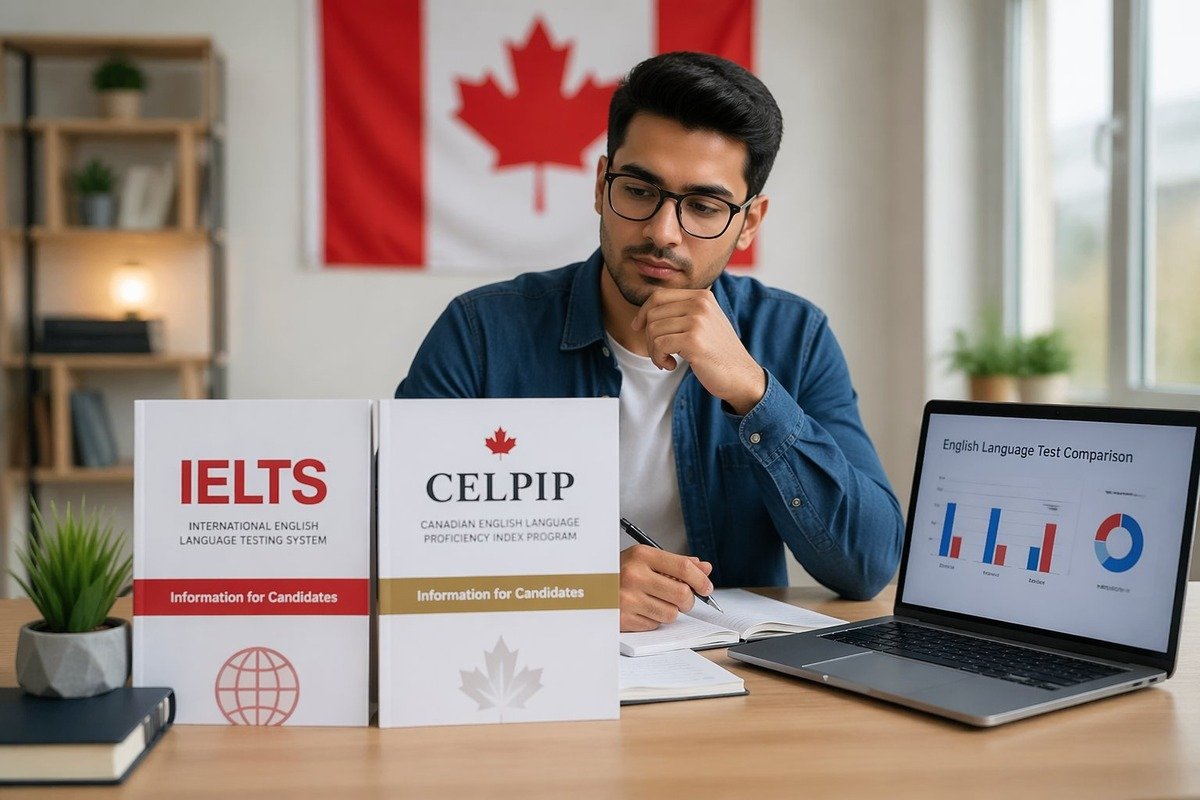
- IELTS General Training — measures Listening, Reading, Writing, Speaking.
- CELPIP-General — measures Listening, Reading, Writing, Speaking.
- TOEFL iBT / TOEFL Essentials — IRCC now accepts specific TOEFL formats for certain programs; check current IRCC guidance for which versions are valid.
- French:
- TEF Canada — measures Listening, Reading, Writing, Speaking.
- TCF Canada — measures Listening, Reading, Writing, Speaking.
I note that test results must come from designated testing organizations and that IRCC requires using approved versions only.
I also point out that language test reports must be valid at the time of application and that different programs may accept different test types.
Minimum Score Expectations
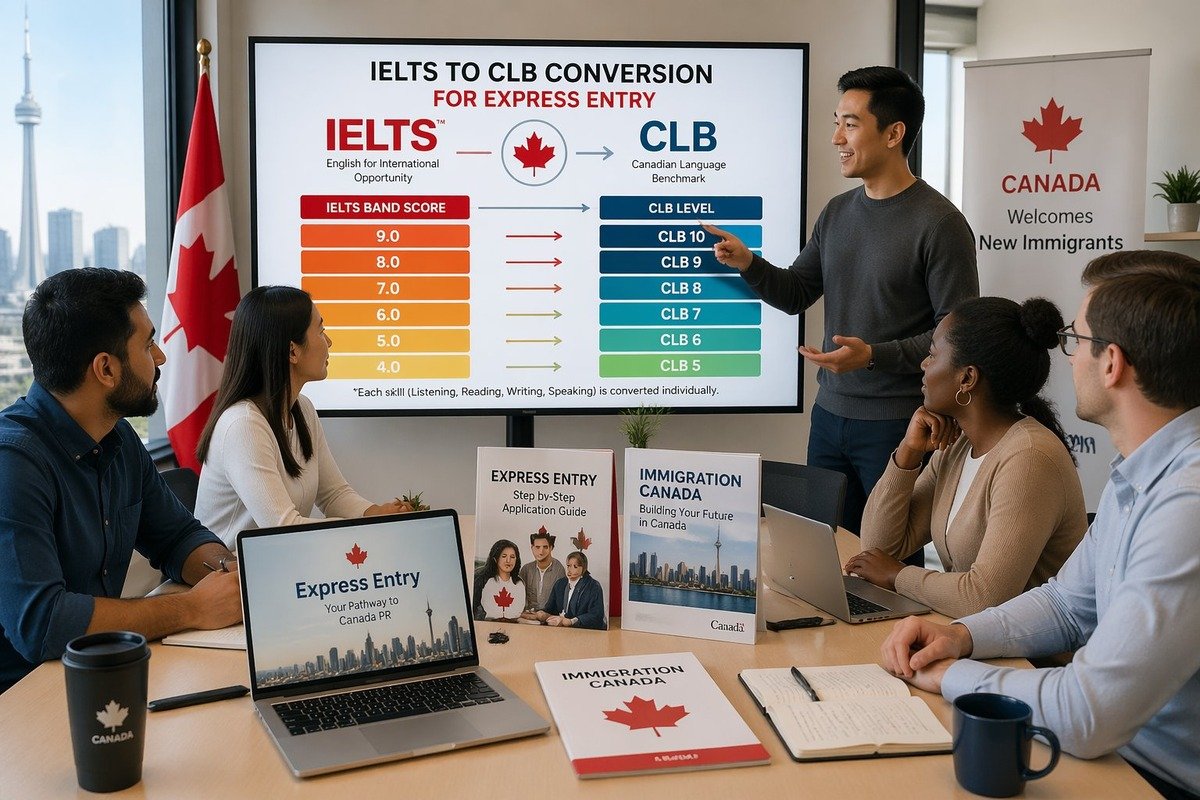
I describe the score levels tied to Canadian Language Benchmarks (CLB) for economic programs.
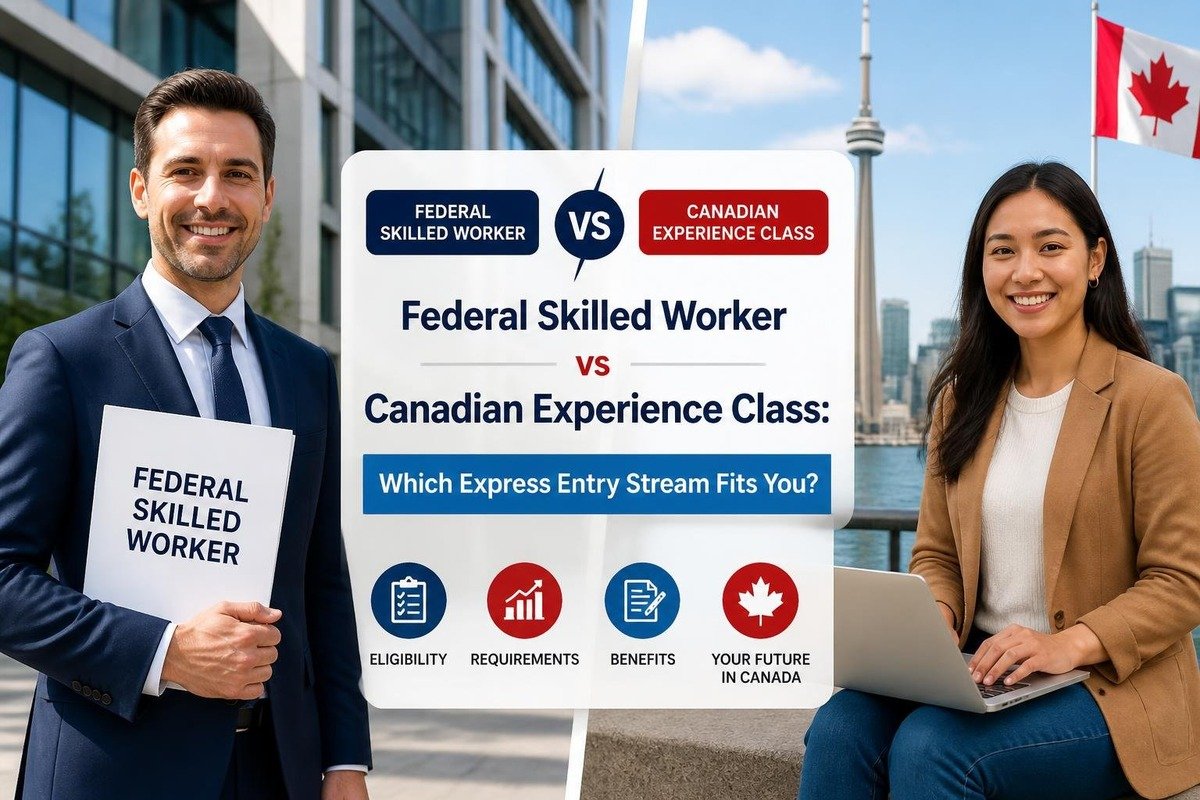
- For Express Entry (Federal Skilled Worker/Canadian Experience Class), common targets:
- CLB 7 (e.g., IELTS 6.0 in Listening and Reading, 6.0 in Writing and Speaking) often needed for higher CRS points.
- CLB 9+ (e.g., IELTS 7.0) gives more points and can be required for trade streams or job offers.
- For Provincial Nominee Programs (PNPs) and some job-specific streams, requirements vary:
- Some PNPs accept CLB 4–5 for lower-skilled occupations.
- Others require CLB 7 or higher for skilled occupations.
I recommend converting test scores to CLB using official conversion tables before applying.
I remind readers to meet the exact minimums listed by the program they target, because a one-band difference can change eligibility or points.
Educational Qualifications
I explain how to prove your schooling and what specific degrees or certificates immigration programs usually require. I focus on credential assessment, acceptable documents, and typical degree thresholds for skilled-worker streams.
Assessment of Foreign Credentials
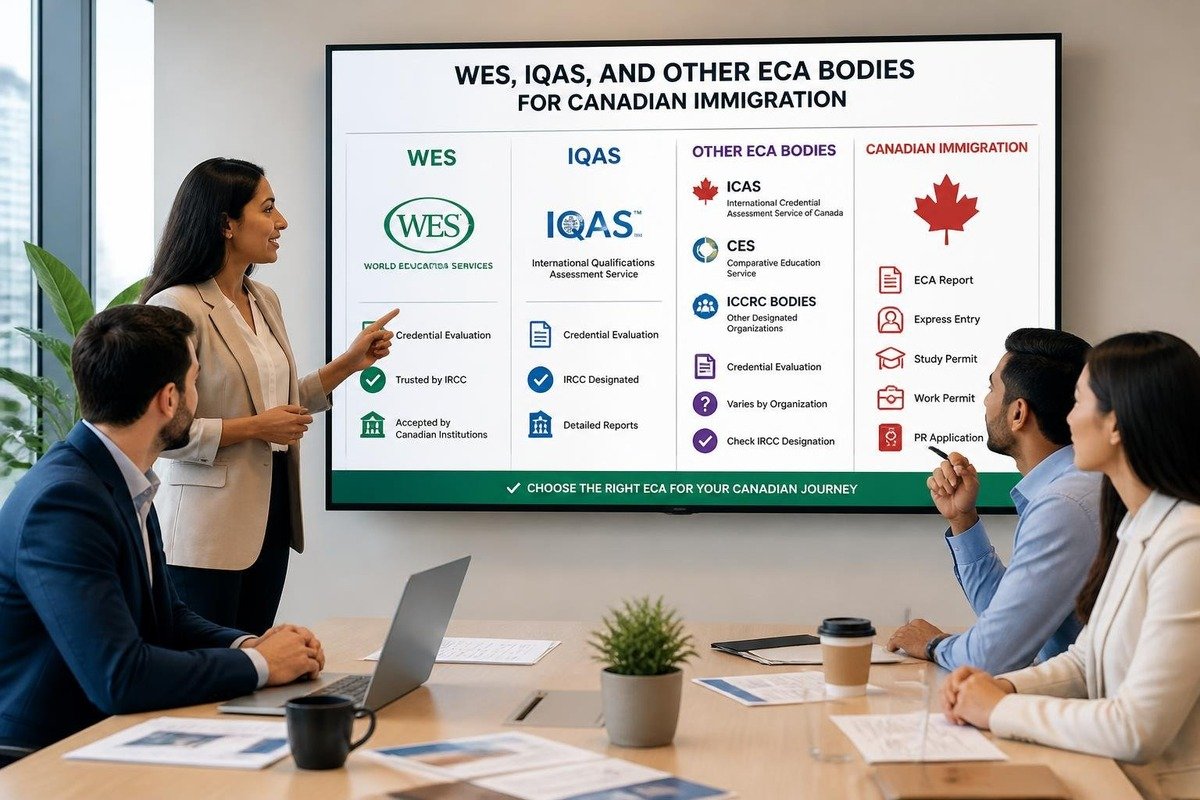
I recommend getting an Educational Credential Assessment (ECA) if you completed schooling outside Canada. An ECA compares your foreign diploma, degree, or certificate to Canadian standards and must come from a designated organization for Express Entry and many PNP streams.
Common steps I follow:
- Choose a designated body (e.g., WES, IQAS, or others accepted by the program).
- Submit original diplomas, transcripts, and translations if needed.
- Pay the fee and wait for the report, which usually lists Canadian equivalency.
I stress timely submission. Some programs require an ECA dated within a set time frame. Keep certified copies and track expiry rules for the specific PR stream you target.
Degree and Certification Requirements
I check what level of education the program asks for: high school, post-secondary diploma, bachelor’s, or higher. For the Federal Skilled Worker route, for example, a completed post-secondary credential often raises points for selection.
Key points I look for:
- Exact credential names and study length (two-year diploma vs. three-year bachelor).
- Professional licenses where applicable (nursing, engineering, teaching) and whether Canadian certification or provincial licensing is needed.
- Transcripts that show course content and duration to support level claims.
I advise verifying whether bridging programs, online degrees, or partial credentials meet the criteria. If a profession needs registration in a Canadian regulatory body, I plan for that step early.
Employment and Occupation Criteria
I focus on the job types and work history that most affect your chances for permanent residency. You need a skilled occupation and clear, verifiable experience that matches official classifications and time requirements.
Skilled Worker Classification
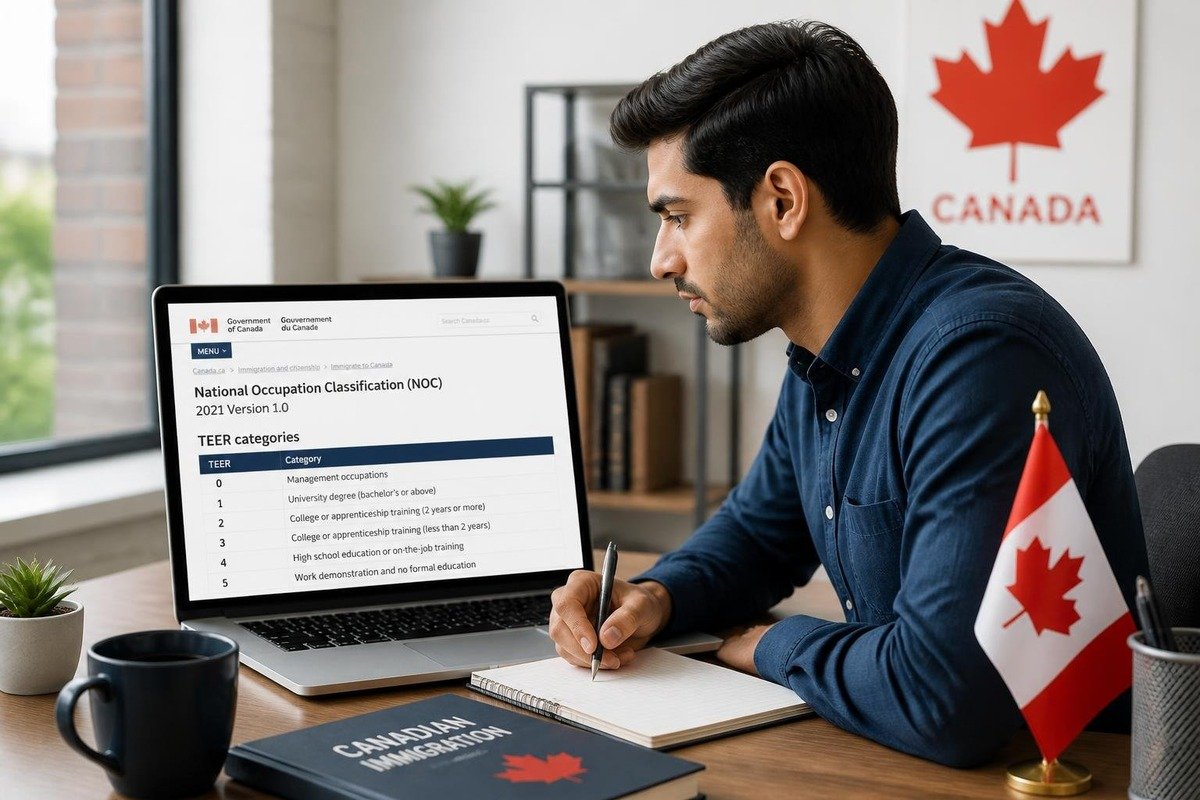
I check whether your job fits the federal skilled categories (TEER 0, 1, 2, or 3). These include managerial, professional, technical, and skilled trade roles. You must map your job to the correct National Occupational Classification (NOC/TEER) code used by immigration authorities.
If your role sits outside those TEER levels, it usually won’t qualify for skilled-worker streams. Exact job duties matter more than your job title. I recommend comparing your daily tasks to the TEER/NOC description and choosing the best match.
Proof of Relevant Experience
I require at least one year of continuous, full-time paid work in a qualifying occupation, or the part-time equivalent. Documents must show employer name, job title, start and end dates, hours worked, salary, and main duties.
Acceptable proof includes employment letters on company letterhead, pay stubs, tax records, and contracts. If you worked for yourself, submit business registration, invoices, profit/loss statements, and client references. I advise preparing translations of any non-English documents and keeping contact details for referees who can confirm your duties.
Family Relationship Considerations
I explain how sponsors must prove real relationships and how officials check age, marital status, and cohabitation when assessing family-based permanent residency. I also note key admissibility checks like health and criminal background.
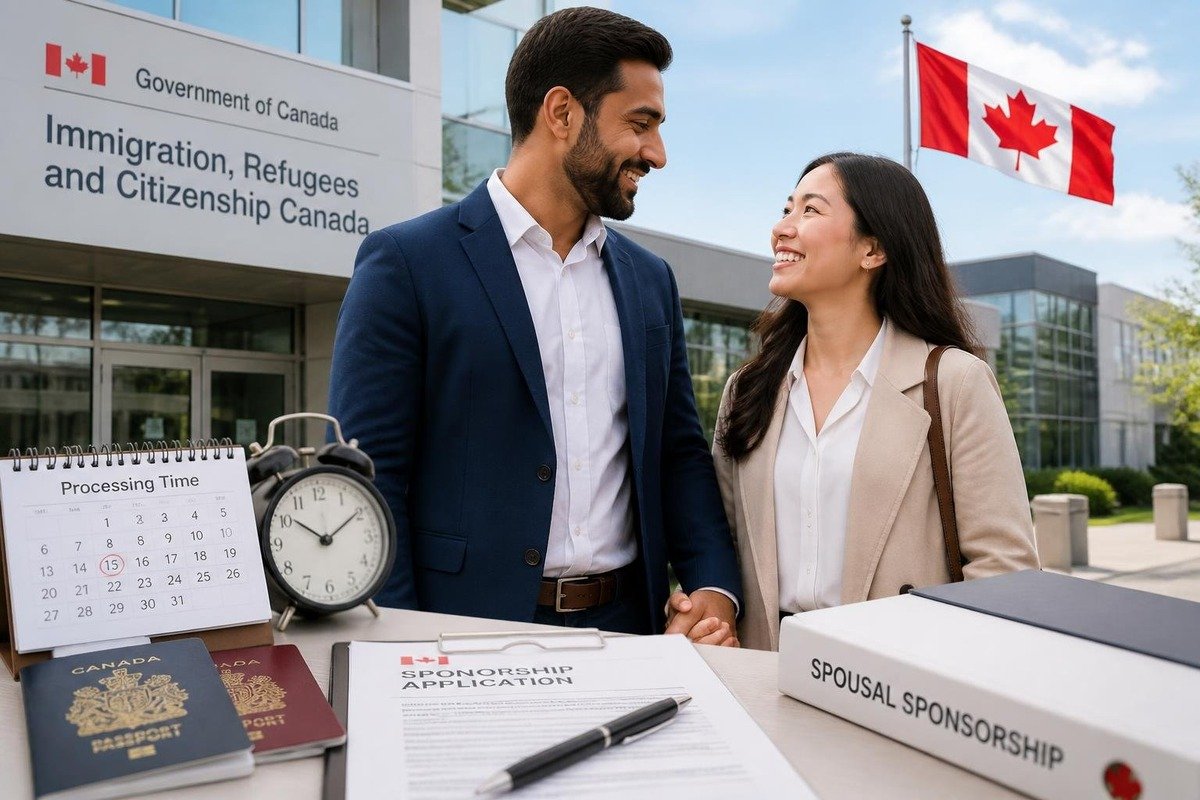
Spousal and Partner Eligibility
I focus on four main proof types: marriage certificate, joint financial records, shared residence evidence, and statements showing ongoing commitment. For married couples, I recommend an official marriage certificate and at least two supporting items such as joint bank accounts, joint lease/mortgage, or utility bills with both names.
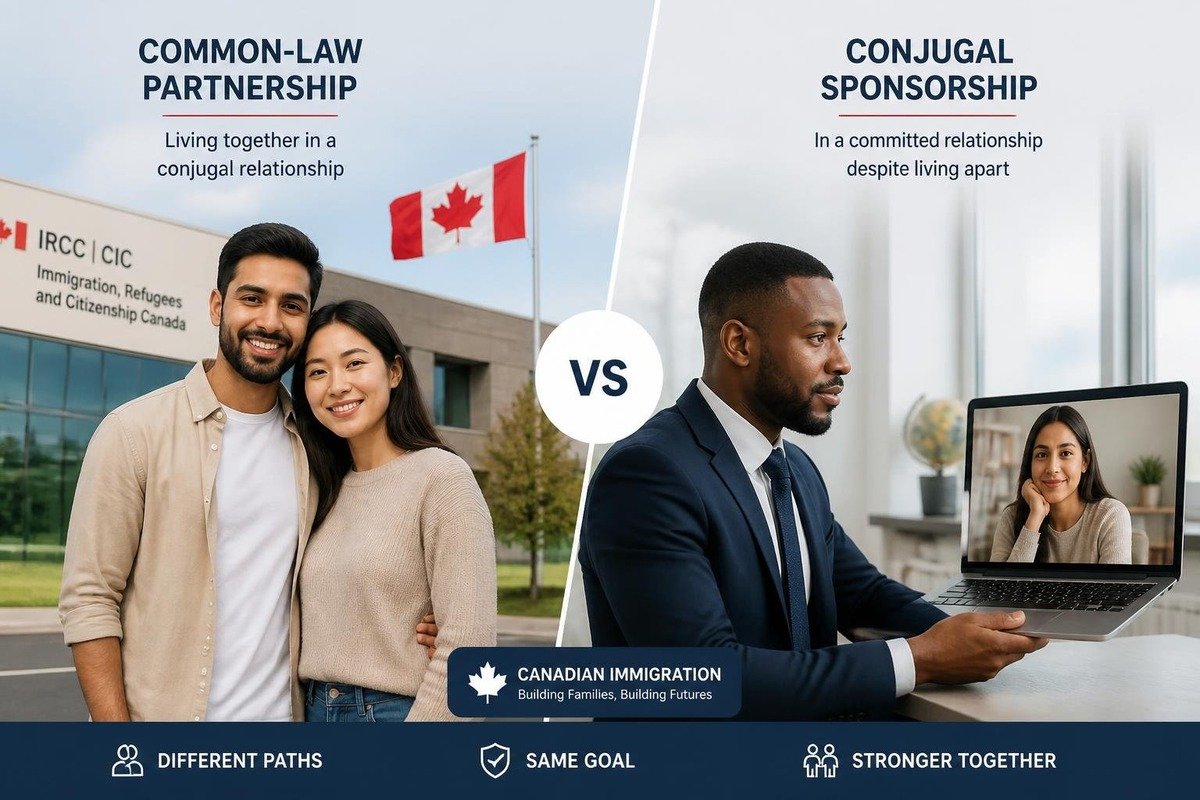
For common-law partners, I stress showing at least 12 months of continuous cohabitation with documents like joint bills, affidavits from third parties, and shared insurance or tax filings.
For conjugal partners, I note that applicants must show a genuine, long-term relationship that cannot be formalized due to legal or immigration barriers; detailed correspondence and affidavits help.
I warn that fake marriages or stopped cohabitation usually cause refusal and may bar future sponsorships. Provide clear, dated evidence and explain gaps candidly.
Dependent Children Guidelines
I define dependent children as those under the relevant age limit (often under 22) who are not married or in a common-law relationship, plus older children with permanent physical or mental conditions who rely on a parent.
I suggest birth certificates, adoption papers, custody agreements, and school records as primary documents. If the child is adopted, I advise including the full adoption decree and proof the adoption meets local and destination-country rules.
For stepchildren, include proof of legal guardianship or parental responsibility and evidence of the family relationship, like marriage certificates and household records.
I point out that aging out rules and exceptions vary by country; track dates and deadlines carefully and submit medical or professional reports for special-needs cases.
Health and Character Assessments
I explain the health checks and criminal-screening steps applicants must pass for permanent residency. These checks focus on medical inadmissibility, excessive demand, and any criminal history that affects admissibility.
Medical Examination Procedures
I must complete an immigration medical exam with a panel physician approved by the government. The exam includes a physical check, chest X-ray, and blood tests. Children may have fewer tests, but everyone gets assessed for conditions that could cause excessive demand on health or social services.
I provide my medical history, vaccination records, and any current treatments during the exam. Results go directly to the immigration authority. If a condition raises concerns, I may need further tests, a specialist report, or proof of private care coverage to address excessive-demand issues.
Criminal Background Screening
I must submit police certificates from countries where I lived for a set time, usually six months or more. The immigration office checks convictions, pending charges, and any organized-crime links that could make me inadmissible.
If I have a past conviction, I can show rehabilitation evidence or apply for criminal rehabilitation when eligible. I must disclose all arrests and charges; failure to do so can lead to refusal. Security checks may also include biometric data and international watchlists.
Program-Specific Pathways
I explain which rules and documents matter most for each pathway so you can see what to prepare and which tests or investments count. Focus on the core eligibility points, timelines, and proof you must provide.
Entrepreneur Programs
I look for clear business plans, minimum net worth, and active management commitments. Most provincial entrepreneur streams require a minimum personal net worth (often CAD 300,000–800,000) and a minimum investment into the business (commonly CAD 100,000–300,000). You must show source-of-funds documents, business ownership structure, and a realistic cash-flow forecast.
I must usually run the business on-site and meet job-creation targets (for example, hire two Canadian workers). Many programs use a two-stage process: an initial letter of interest or expression of interest, then a performance period with reporting. Work permits may be issued while the PR file is active, but final PR depends on meeting milestones and submitting audited financials.
Refugee and Humanitarian Routes
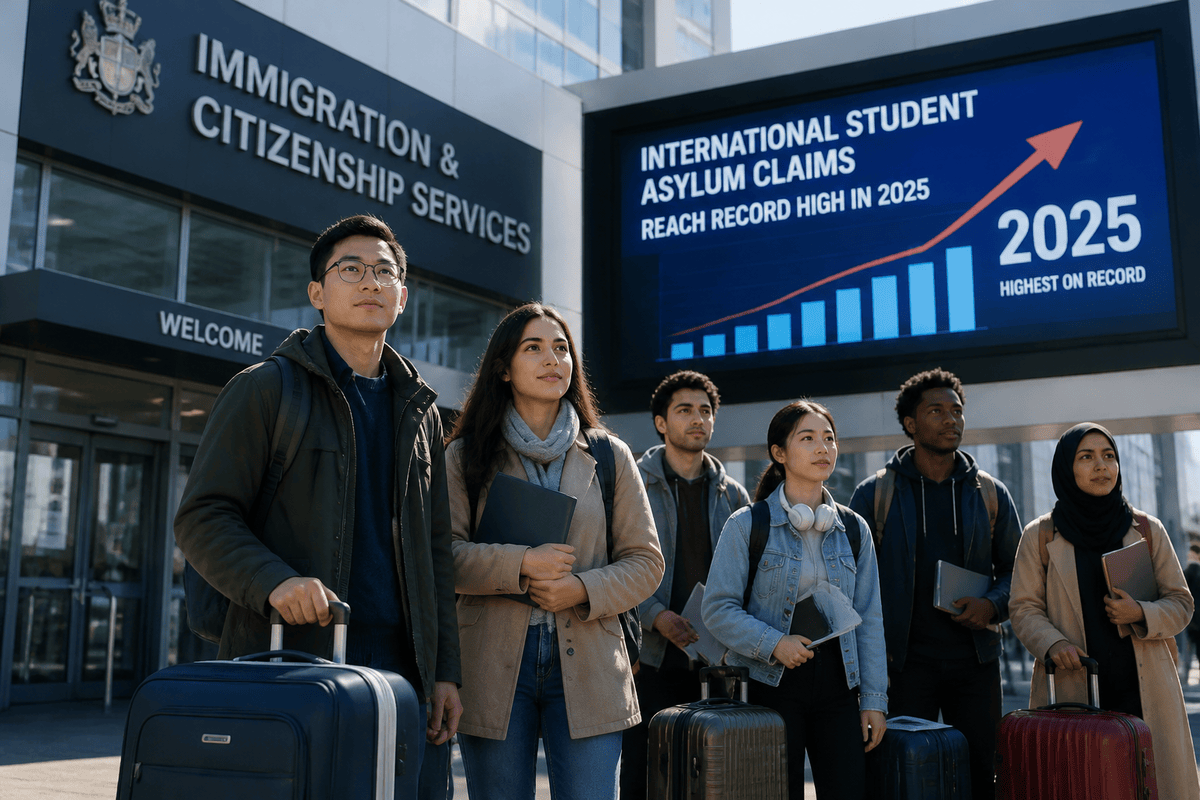
I focus on protection needs, credible evidence, and medical/security checks. To qualify, you must show a well-founded fear of persecution or face serious risk if returned. Documentation can include police reports, medical records, witness statements, and country condition reports.
I must meet legal definitions under Canadian refugee and humanitarian policy. Private sponsorship requires sponsor groups and settlement plans; government-assisted refugee claims need UNHCR referrals or in-Canada protection claims. Security and criminality screening, medical exams, and identity documents are mandatory before final PR is granted.
Documentation and Supporting Materials
I list the exact forms you must fill and the core documents you must gather. Each item below tells you what to submit, who signs it, and common pitfalls to avoid.
Required Government Forms
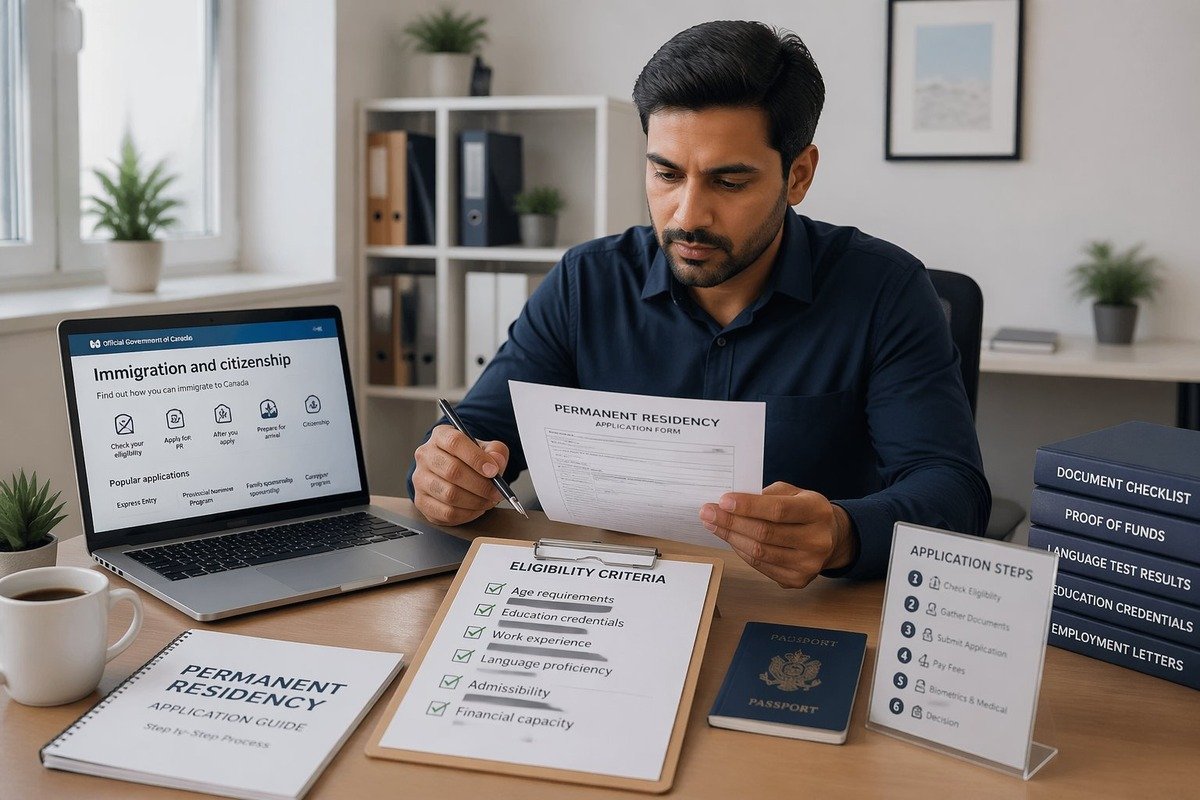
I complete the IMM forms required for my PR stream. Key forms often include:
- Generic Application Form for Canada (IMM 0008) — main application for most economic classes.
- Schedule A – Background/Declaration (IMM 5669) — personal history and declarations; sign and date every page if asked.
- Additional Family Information (IMM 5406) — details for spouse, common-law partner, and children.
- Use of a Representative (IMM 5476) — only if someone represents me; include fees and signature.
I attach current passports or travel documents for every applicant listed. I include digital or original signatures as the program requests. I double-check version numbers and fill dates; an outdated form can delay processing.
Supporting Evidence Checklists
I prepare evidence that proves identity, status, education, work, finances, and police and medical clearances. Typical items are:
- Identity: valid passport pages and national ID.
- Education: degrees and an Educational Credential Assessment (ECA) if applying via Express Entry.
- Language: original language test result (IELTS, CELPIP, or CELPIP-General for English; TEF/TCF for French).
- Work history: reference letters with employer letterhead, job duties, pay, and dates.
- Proof of funds: bank statements, investments, or job offer letter if required.
- Security and health: police certificates from every country lived in over six months and IRCC-approved medical exam results.
I translate any non-English/French documents and attach certified translations plus the originals. I organize documents by checklist order and label files clearly to match the online or paper application.
Timelines and Validity of Requirements
I track the dates and deadlines that matter for each PR pathway closely. Some programs list official launch months; for example, full TR-to-PR criteria were expected in spring 2026 and some details moved from April to May 2026. Timelines can shift, so I watch for official updates.
Eligibility proofs often must be valid at the time of application and sometimes at the time of final decision. For instance, work or study history, language test results, and valid temporary status typically need to cover specific reference periods. I make sure documents cover required windows.
Processing targets exist but are not guarantees. IRCC has set service-standard goals (like aiming to process a high share of files within specified periods), yet actual times vary by program and case complexity. I plan for longer waits than targets when advising applicants.
I use a short checklist to keep validity straight:
- Document expiry: confirm dates on passports, visas, and language tests.
- Reference periods: match work/study dates to program rules.
- Application windows: note soft-launch announcements and official openings.
If any part of an application expires during processing, I advise renewing and submitting updates promptly. I also recommend keeping records of communications and receipts to prove timely renewals.