How Much Money Do You Need to Immigrate to Canada? Settlement Fund Requirements Explained

If you’re planning to move to Canada as a permanent resident, one of the first financial questions you’ll face is this: do I have enough money saved?
Canada requires most economic immigration applicants to prove they can support themselves and their family after they arrive — without immediately relying on government assistance. This is called the proof of funds or settlement funds requirement, and getting it wrong is one of the most common reasons profiles stall or applications get refused.
This guide breaks down exactly how much you need, who has to show it, how to count your family size, and what documents IRCC will actually accept.
What Are Settlement Funds?
Settlement funds are the minimum amount of money you must have available when you apply for Canadian permanent residency through most economic immigration programs. The purpose is straightforward: Canada wants to know you can cover the basics — housing, food, transportation, and other living costs — while you get established in your new country.
The funds are not paid to the government. You keep the money; you just have to prove it exists and that you can access it when you land.
Who Needs to Show Proof of Funds?
Not every applicant is required to submit proof of funds. The requirement applies primarily to:
- Federal Skilled Worker Program (FSWP) applicants
- Federal Skilled Trades Program (FSTP) applicants
You are exempt from the proof of funds requirement if either of the following is true:
- You are applying under the Canadian Experience Class (CEC), or
- You are authorized to work in Canada and hold a valid job offer that meets IRCC criteria — even if you’re applying under FSWP or FSTP
One important note: even if you believe you’re exempt, IRCC recommends keeping your funds information updated in your Express Entry profile. The system can find you eligible for more than one program, and you won’t always know in advance which stream you’ll be invited under. If you are exempt, you must still upload a letter to your profile explaining that you either hold a valid job offer with work authorization, or that you were invited to apply under the CEC.
How Much Money Do You Need? (2025 Figures)
IRCC updates the minimum settlement fund amounts every year based on 50% of Canada’s Low-Income Cut-Off (LICO) figures. The most recent update took effect on July 7, 2025.
| Number of family members | Minimum funds required (CAD) |
|---|---|
| 1 | $15,263 |
| 2 | $19,001 |
| 3 | $23,360 |
| 4 | $28,362 |
| 5 | $32,168 |
| 6 | $36,280 |
| 7 | $40,392 |
| Each additional person beyond 7 | + $4,112 |
Source: Immigration, Refugees and Citizenship Canada (IRCC), effective July 7, 2025.
If your savings are above the minimum, list the full amount — it reflects better on your financial stability even if it doesn’t change your eligibility.
How to Count Your Family Size
This is where many applicants get tripped up. Your family size for settlement fund purposes is not just the people moving to Canada with you. It includes:
- Yourself
- Your spouse or common-law partner
- Your dependent children
- Dependent children of your dependent children
Crucially, you must count family members even if they are Canadian citizens or permanent residents, and even if they are not accompanying you to Canada. A spouse staying behind in your home country still counts toward your required fund amount.
Example: You’re applying as a single applicant with two children, and your spouse is a Canadian citizen remaining in Canada. Your family size is 4 — and the minimum you need to show is $28,362.
What Counts as Acceptable Proof?
IRCC is specific about what qualifies as proof. The funds must be:
Liquid and accessible. You must be able to legally access the money when you arrive in Canada. Home equity and property values do not count, nor does money borrowed from another person.
In your name or your spouse’s name. Joint accounts are acceptable. You may be able to count money held only in a spouse’s name, but you’ll need written proof that you have legal access to those funds.
Supported by official documents. Acceptable documents include:
- Official letters from your bank, printed on letterhead, showing your account balance, account number, opening date, and a contact address for the institution
- Bank statements from the past six months
- Fixed deposits or investment accounts that are easily convertible to cash, with documentation showing market value and accessibility
- Guaranteed payment instruments (banker’s drafts, traveller’s cheques, money orders)
Screenshots, handwritten notes, and informal records are not accepted. Any documents not in English or French must include certified translations.
The Job Offer Exemption — What Qualifies?
If you have a valid Canadian job offer, you may be exempt from the proof of funds requirement — but the offer must meet IRCC’s standards. Generally, the job offer must be:
- Full-time and non-seasonal
- Supported by a Labour Market Impact Assessment (LMIA), or falling under an LMIA-exempt category
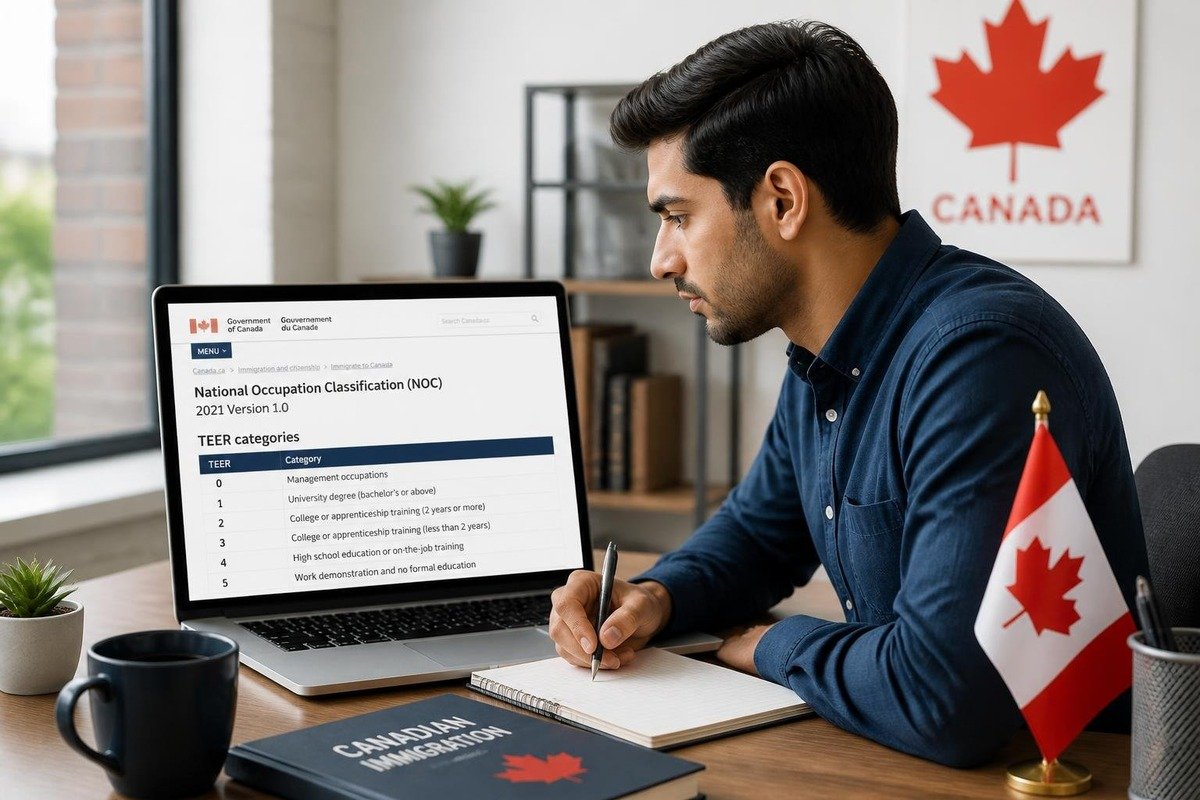
- In a position classified under TEER 0, 1, 2, or 3 of the National Occupational Classification
If you’re unsure whether your job offer qualifies, verify before skipping the funds documentation step.
Common Mistakes to Avoid
Submitting the wrong amount for your family size. Run the calculation carefully, including all dependents regardless of where they live or their immigration status.
Using borrowed funds. Money loaned from a friend, family member, or financial institution specifically to meet the proof of funds requirement is not acceptable. IRCC looks for funds that are genuinely yours.
Outdated statements. Bank letters and statements must reflect your current balance. Six months of transaction history is typically required.
Not updating during a long application process. If your bank balance drops below the minimum while your application is in processing, your eligibility can be affected. Monitor and update your profile as needed.
Relying on real estate. Property equity is explicitly excluded. Even if you own significant real estate, it does not satisfy the settlement funds requirement unless you liquidate it and hold the proceeds in a cash or liquid account — with documentation proving access.
Think of the Minimum as a Floor, Not a Budget
Meeting the IRCC minimum proves you’re eligible. It does not mean you’ll be financially comfortable after arriving.
Canada’s actual cost of living varies enormously by city. Renting a one-bedroom apartment in Toronto or Vancouver costs significantly more than in Halifax or Winnipeg. Beyond rent, newcomers typically face upfront costs including:
- First and last month’s rent deposits
- Winter clothing and household setup costs
- Transportation during the job search period
- Healthcare costs until provincial coverage kicks in (there is typically a waiting period)
- Childcare if applicable
Many settlement advisors recommend having at least 30–50% more than the minimum as a practical buffer, particularly if you’re moving to a major urban centre without a job already secured.
What About Other Immigration Programs?
The figures above are the standard Express Entry thresholds (FSWP and FSTP). Other programs have their own requirements:
Canadian Experience Class: No proof of funds required, as noted above.
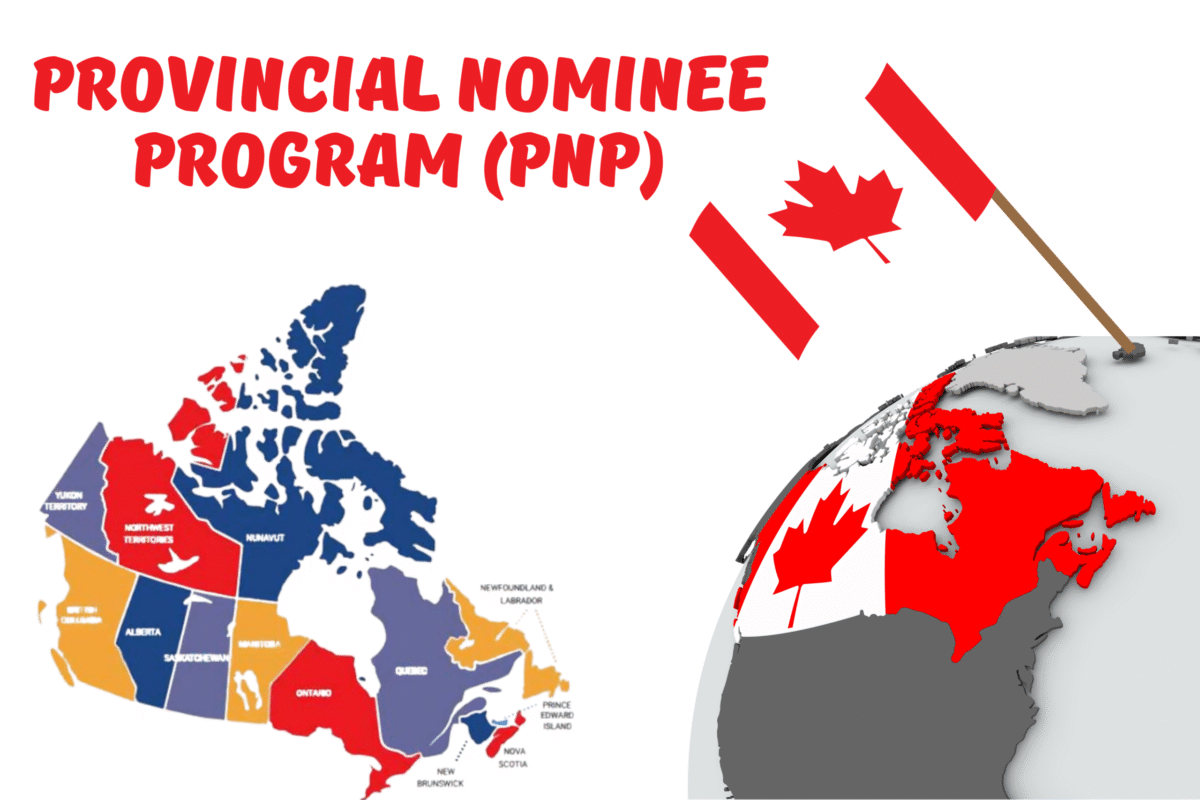
Provincial Nominee Programs (PNPs): Requirements vary by province and stream. Some provincial streams have their own fund thresholds that differ from the federal Express Entry figures.
Atlantic Immigration Program (AIP): Has separate, generally lower settlement fund requirements. As of July 2025, a single applicant under AIP needs a minimum of $3,815, reflecting a different calculation methodology.
Entrepreneur and investor streams: These have significantly higher requirements, typically involving both personal net worth minimums (often $300,000–$800,000 CAD) and a minimum business investment (commonly $100,000–$300,000 CAD), plus job creation commitments. The logic is different from settlement funds — these thresholds reflect the capacity to run a business, not just cover living expenses.
Always verify the specific requirements of the program you are applying under directly with IRCC or the relevant provincial authority, as amounts are updated annually and can change.
Key Takeaways
Settlement funds exist to confirm you can support yourself and your family after you arrive in Canada. Here’s what to keep in mind:
- The minimum for a single applicant is $15,263 CAD as of July 2025
- The amount scales with family size, including dependents who aren’t moving with you
- Funds must be liquid, in your name (or your spouse’s), and supported by official bank documentation
- Home equity and borrowed money are not accepted
- CEC applicants and those with a valid IRCC-qualifying job offer are exempt
- Treat the minimum as a floor — real-world settlement costs typically exceed it
For the most current figures, always check the official IRCC website directly, as thresholds are updated every July.
This post is for informational purposes only and does not constitute legal or immigration advice. For guidance specific to your situation, consult a Regulated Canadian Immigration Consultant (RCIC) or an immigration lawyer.