Asking for Refugee Protection (Asylum) in Canada: Complete Guide to the Application Process and Eligibility Requirements
If you fear returning to your home country because of persecution or danger, Canada offers a way to seek safety through its refugee protection system. Claiming asylum means asking Canada for protection because it’s not safe for you in your own country, and you may qualify if you face a well-founded fear of persecution or serious harm.
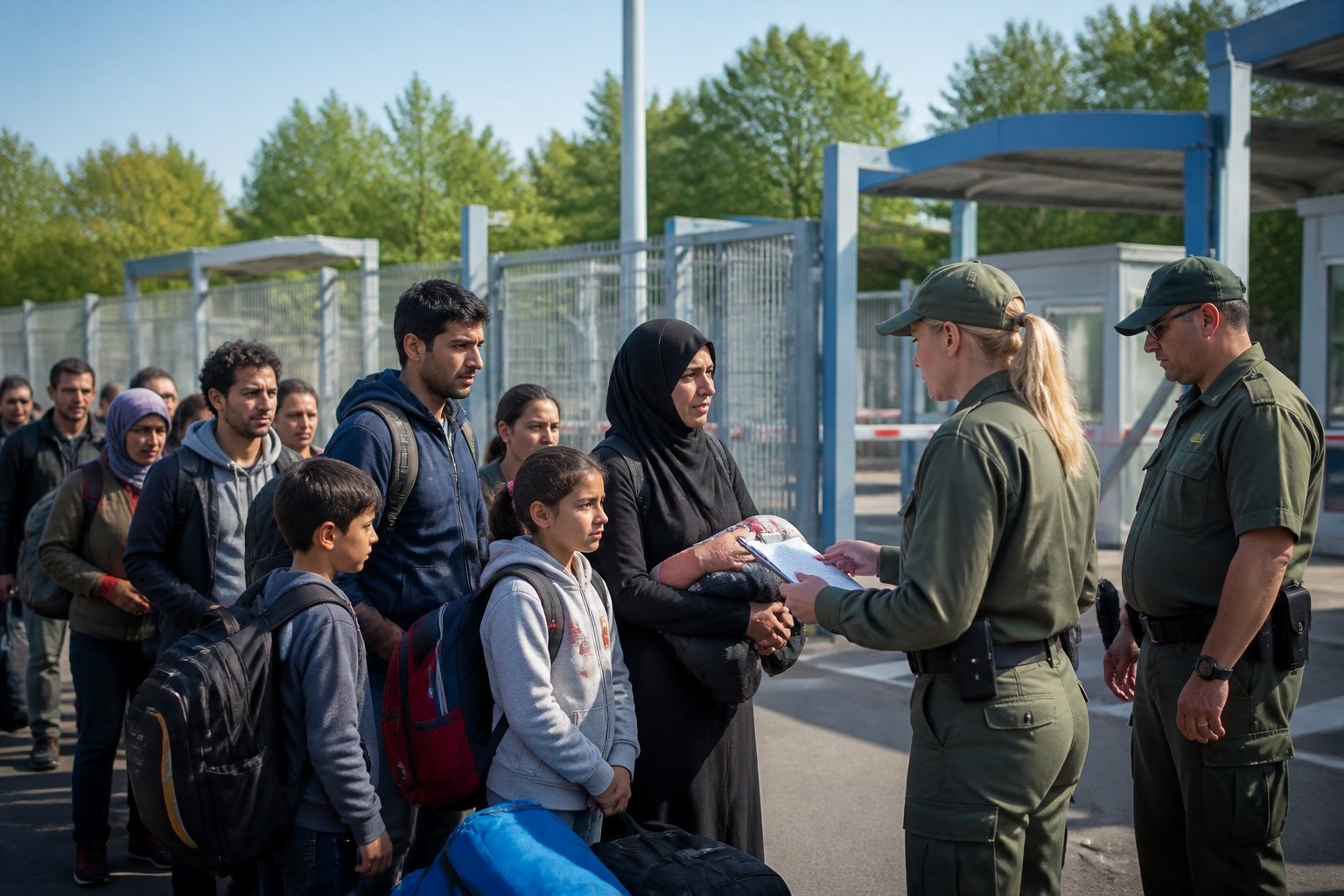
You can make a refugee claim either when you arrive at a Canadian port of entry like an airport or land border, or after you are already inside Canada. The process involves specific steps that you need to follow, including meeting eligibility requirements and attending a hearing where you present your case.
This guide walks you through what you need to know about applying for refugee protection in Canada. You’ll learn about who qualifies, how to submit your claim, what happens during the hearing process, what support is available while you wait, and what options you have if your claim is denied.
Eligibility Requirements
Canada reviews asylum claims to determine if applicants qualify for refugee protection based on specific legal criteria. Your claim must meet certain conditions related to persecution or risk, and you cannot have factors that make you ineligible.
Who Can Apply
You can apply for asylum in Canada if you are already in the country or arriving at a port of entry. You must demonstrate that you cannot return to your home country safely.
Your claim needs to show you face serious harm. This includes persecution or threats to your life and safety.
You do not need to be a citizen of any particular country to claim asylum. People from any nation can apply if they meet the protection requirements.
However, you cannot make a claim if you already have refugee protection in another country. You also cannot apply if you have been recognized as a Convention refugee by another country where you can return.
Types of Claims
Canada recognizes two main categories for refugee protection. Convention refugees face persecution based on specific grounds, while persons in need of protection face different types of danger.
Convention Refugee claims require you to prove a well-founded fear of persecution for one of these five reasons:
- Race or ethnicity
- Religion
- Nationality
- Political opinion
- Membership in a particular social group
Person in Need of Protection claims apply if you face risk of torture, threat to your life, or risk of cruel and unusual treatment or punishment. These claims do not require persecution based on the five Convention grounds.
The type of claim you make depends on why you cannot return home safely.
Inadmissibility Factors
Certain circumstances can make you ineligible to claim asylum in Canada. Immigration authorities will reject your claim if you fall into specific categories.
You cannot make a claim if you have been convicted of a serious crime. This includes crimes punishable by at least 10 years of imprisonment in Canada.
Your claim will be rejected if you already made a claim in Canada that was rejected or withdrawn. You also cannot apply if you came from a country Canada designates as safe.
Security concerns make you inadmissible. This includes involvement in terrorism, war crimes, crimes against humanity, or being a danger to Canadian security.
Bill C-12 introduced new eligibility requirements that received Royal Assent on March 26, 2026. These changes affect who can make asylum claims and aim to reduce pressure on the system.
Application Process Overview
You can apply for refugee protection at a Canadian port of entry when you arrive or from within Canada if you’re already in the country. The application requires specific forms, supporting documents, and biometric data collection before your case moves to a hearing.
Initial Steps and Filing
You have two options for making your refugee claim in Canada. If you arrive at an airport, border crossing, or seaport, you tell an immigration officer that you want to claim asylum at a port of entry. The officer will conduct an initial interview and provide you with forms to complete.
If you’re already in Canada, you need to submit your claim through the online application on the IRCC website. You have up to 90 days to complete the online application once you start it.
After you file your claim, you receive a Basis of Claim (BOC) form. This form asks you to explain why you fear returning to your home country. You must complete and submit this form within 15 days if you claimed at a port of entry or within 90 days if you claimed from inside Canada.
Required Documentation
Your application needs specific documents to support your refugee claim. You must provide identity documents such as your passport, national identity card, or birth certificate.
You should gather evidence that proves your fear of persecution. This includes:
- Police reports or criminal complaints
- Medical records showing injuries from persecution
- Threatening letters or messages
- News articles about conditions in your country
- Membership cards from political or social groups
You need to submit photos, witness statements, and any other proof that supports your story. Documents in languages other than English or French require certified translations.
Biometrics and Interviews
You must provide your fingerprints and photo at a biometrics collection service point. You typically receive a biometrics instruction letter after filing your claim. You have 30 days to complete this step.
The Immigration and Refugee Board schedules an interview or hearing to review your case. You answer questions about your identity, travel route to Canada, and reasons for seeking protection. A decision-maker evaluates whether you meet the definition of a Convention refugee or person in need of protection based on your testimony and evidence.
Refugee Protection Hearings
The hearing is where you present your case to the Immigration and Refugee Board and explain why you need Canada’s protection. You will answer questions about your background, your fears, and why you cannot return to your home country.
What to Expect in a Hearing
Your refugee hearing takes place at the Refugee Protection Division (RPD) and is the most important step in your claim. A board member will listen to your testimony and review your documents to decide if you qualify for protection.
The hearing is private and confidential. Only you, your lawyer or representative, an interpreter if needed, and the board member will be present. In some cases, a representative from the Minister may also attend.
You should register for a Hearing Ready Tour before your hearing to learn what will happen and ask questions. Most hearings now take place virtually using Microsoft Teams, though you can request an in-person hearing if needed.
The board member will ask you detailed questions about your story. You must be completely honest and explain why you fear returning to your country. Bring any documents that support your claim, such as police reports, medical records, or membership cards.
Rights and Responsibilities of Claimants
You have the right to legal representation at your hearing. You can hire a lawyer or work with a free legal clinic to help prepare your case.
You must tell the truth during your hearing. Lying or leaving out important information can lead to your claim being rejected. The board member needs to hear your full story to make a fair decision.
Your key responsibilities include:
- Arriving on time for your hearing
- Bringing all required documents and evidence
- Answering questions fully and honestly
- Following instructions from the board member
- Notifying the IRB of any address changes
You have the right to an interpreter in your language at no cost. The interpreter will help you understand questions and translate your answers accurately.
Possible Outcomes
The board member will decide if you are a Convention refugee or a person in need of protection. A Convention refugee faces persecution based on race, religion, nationality, political opinion, or membership in a social group. A person in need of protection faces risk of torture, death, or cruel punishment.
If your claim is accepted, you receive protected person status. This allows you to apply for permanent residence in Canada and eventually citizenship.
If your claim is rejected, you may be able to appeal the decision or apply for other forms of relief. You will receive a written explanation of why your claim was denied. In some cases, you may face removal from Canada.
Interim Assistance and Settlement Services
Asylum seekers in Canada can access basic support services while their claims are being processed. These include temporary housing help, financial aid, medical care, and education for children.
Access to Shelter and Financial Support
When you arrive in Canada and make a refugee claim, you can access temporary shelter and financial help. The type of support you receive depends on whether you came through a government program or claimed asylum on your own.
If you’re a government-assisted refugee, you qualify for the Resettlement Assistance Program. This program provides up to 12 months of financial support, including money for rent, food, and basic needs.
Asylum seekers living in Quebec can get provincial services after submitting their claim with the federal government. The Quebec government offers financial help and housing assistance while you wait for your hearing.
Various organizations provide free case management and help finding shelter. These groups offer translation services and connect you with local resources in your area.
Healthcare and Education for Claimants
You can access healthcare through the Interim Federal Health Program while your claim is under review. This coverage includes doctor visits, hospital care, and necessary medications.
Your children have the right to attend public school for free. School enrollment starts as soon as you arrive and register in your community. The education system provides support for children learning English or French as a new language.
Settlement organizations across Canada offer language training programs at no cost. You can take classes to learn English or French, which helps with daily tasks and future employment.
Most provinces provide social services like counseling and family support. These programs help you adjust to life in Canada while waiting for your claim decision.
Appeals and Further Options
If your refugee claim is rejected, you have specific time-sensitive options to challenge the decision or prepare for departure. The Refugee Appeal Division provides formal review of negative decisions, while understanding removal procedures helps you plan if appeals are unsuccessful.
Review and Appeal Pathways
You can appeal to the Refugee Appeal Division (RAD) if you receive a negative decision on your refugee protection claim. You must act quickly because you have only 15 days to file your Notice of Appeal and 30 days to submit your complete evidence package after receiving the written reasons for rejection.
The RAD typically decides cases without holding a hearing. Instead, they review documents you provide along with the original decision record. This means your written submissions and evidence must be thorough and well-organized.
If the RAD denies your appeal, you may apply for judicial review at Federal Court. You have 15 days to start this application after receiving the RAD decision. The Federal Court reviews whether the decision followed proper legal procedures rather than reconsidering all the facts of your case.
You can also apply for permanent residence on humanitarian and compassionate grounds even if your refugee claim fails. This option considers your establishment in Canada, family ties, and what would happen if you returned to your home country.
Voluntary Return and Removal Procedures
If all appeals fail, you must leave Canada. You can choose voluntary departure, which allows you to arrange your own travel and avoid a formal removal order on your immigration record.
The Canada Border Services Agency handles removals for people without legal status to remain. They will contact you to arrange departure if you don’t leave voluntarily. A removal order can affect future applications to return to Canada.
You should consult an immigration lawyer before making decisions about departure, especially if you have Canadian family members or strong ties to the country.
Frequently Asked Questions
People seeking refugee protection in Canada often have questions about eligibility requirements, the application process, and what rights they have while waiting for a decision. Understanding these key aspects can help you navigate the system more effectively.
Who is eligible to make a refugee claim in Canada, and what factors can make someone ineligible?
You can make a refugee claim in Canada if you meet the definition of a Convention refugee or are a person in need of protection. This means you have a well-founded fear of persecution based on your race, religion, nationality, political opinion, or membership in a particular social group.
You must face serious harm if you return to your home country. The harm can include torture, threats to your life, or cruel and unusual treatment or punishment.
Several factors can make you ineligible to claim refugee protection in Canada. You cannot make a claim if you have been recognized as a Convention refugee by another country to which you can return.
You are also ineligible if you arrived in Canada through the United States, with some exceptions for family members already in Canada. If you have made a previous refugee claim in Canada that was rejected or withdrawn, you generally cannot make another claim.
You cannot claim refugee protection if you are inadmissible to Canada on security grounds, human rights violations, serious criminality, or organized crime.
What documents and evidence should I prepare to support my refugee claim?
You need to provide identity documents such as your passport, birth certificate, national identity card, or any other government-issued identification. If you don’t have these documents, you should explain why in your claim.
You must complete the Basis of Claim (BOC) form, which is the central document explaining why you need protection. This form requires detailed information about your personal history, why you left your country, and what you fear will happen if you return.
Gather evidence that supports your story. This can include police reports, medical records, hospital documents, death certificates, or threatening letters.
Photos, videos, news articles, and country condition reports can strengthen your claim. If you have membership cards from political parties or religious organizations, include those as well.
Witness statements from people who know about your situation can be helpful. You should also collect any correspondence or communications that relate to the persecution you faced.
How do I start a refugee claim at a Canadian port of entry versus from inside Canada?
At a port of entry, you tell the border officer that you want to make a refugee claim when you arrive in Canada. The Canada Border Services Agency officer will decide whether your claim is eligible to be referred to the Refugee Protection Division.
The officer will ask you questions about your identity and why you are seeking protection. You will receive a package of forms and information about the refugee process.
If you are already inside Canada, you can make a refugee claim at an Immigration, Refugees and Citizenship Canada office. You must be physically present in Canada to apply, regardless of your visa or permit status.
The process is similar to claiming at a port of entry. An officer will interview you to determine if your claim is eligible and provide you with the necessary forms.
What happens after I submit a refugee claim, including biometrics, interviews, and hearings?
You will need to provide biometrics (fingerprints and photo) within a specific timeframe after making your claim. You will receive a document showing that your claim has been referred to the Immigration and Refugee Board.
You must complete and submit your Basis of Claim form within 15 days if you made your claim at a port of entry or within 15 days of the date you received the form if you claimed from inside Canada. This deadline is strict and extensions are rarely granted.
The Immigration and Refugee Board will schedule a hearing date where you will present your case to a member of the Refugee Protection Division. Before the hearing, you may attend an interview or conference to clarify information in your claim.
At the hearing, you will testify under oath about your experiences and why you need protection. You can bring witnesses and submit additional evidence.
A lawyer or immigration consultant can represent you at the hearing. The board member will ask you questions and may ask for clarification on parts of your story.
Can I work, study, or access health coverage in Canada while my refugee claim is being processed?
You can apply for a work permit while your refugee claim is being processed. Most refugee claimants are eligible to receive a work permit, which allows you to work legally in Canada.
You can also study in Canada while your claim is pending. For some programs, you may need a study permit in addition to your refugee claimant status.
You have access to the Interim Federal Health Program, which provides limited temporary health coverage. This program covers essential and emergency health services while you wait for a decision on your claim.
The coverage includes doctor visits, hospital care, immunizations, and some prescription medications. It does not cover all services that Canadian health insurance plans cover, but it ensures you can get necessary medical care.
What are my options if my refugee claim is refused, including appeals, judicial review, or applying for other remedies?
If your claim is refused, you can appeal to the Refugee Appeal Division within 15 days of receiving the written decision. The appeal division will review the decision and can confirm it, set it aside, or send it back to the Refugee Protection Division for a new hearing.
Not all refused claims are eligible for appeal. If your claim is deemed manifestly unfounded or if you arrived through a Safe Third Country, you cannot appeal to the Refugee Appeal Division.
You can apply for judicial review to the Federal Court. This is not an appeal but a review of whether the decision-maker made a legal error.
You must apply for leave (permission) to have your case reviewed, and the deadline is usually 15 days from the date of the decision. The Federal Court does not rehear your case but examines whether the process was fair and the decision was reasonable.
You may apply for a Pre-Removal Risk Assessment if you cannot appeal or if your appeal fails. This assesses whether you would face danger if removed from Canada.
You can also explore other immigration programs, such as humanitarian and compassionate applications. These applications are separate from the refugee process and have different eligibility requirements.