Claiming Refugee Protection (Asylum) at the Border: Essential Steps and Requirements for 2026
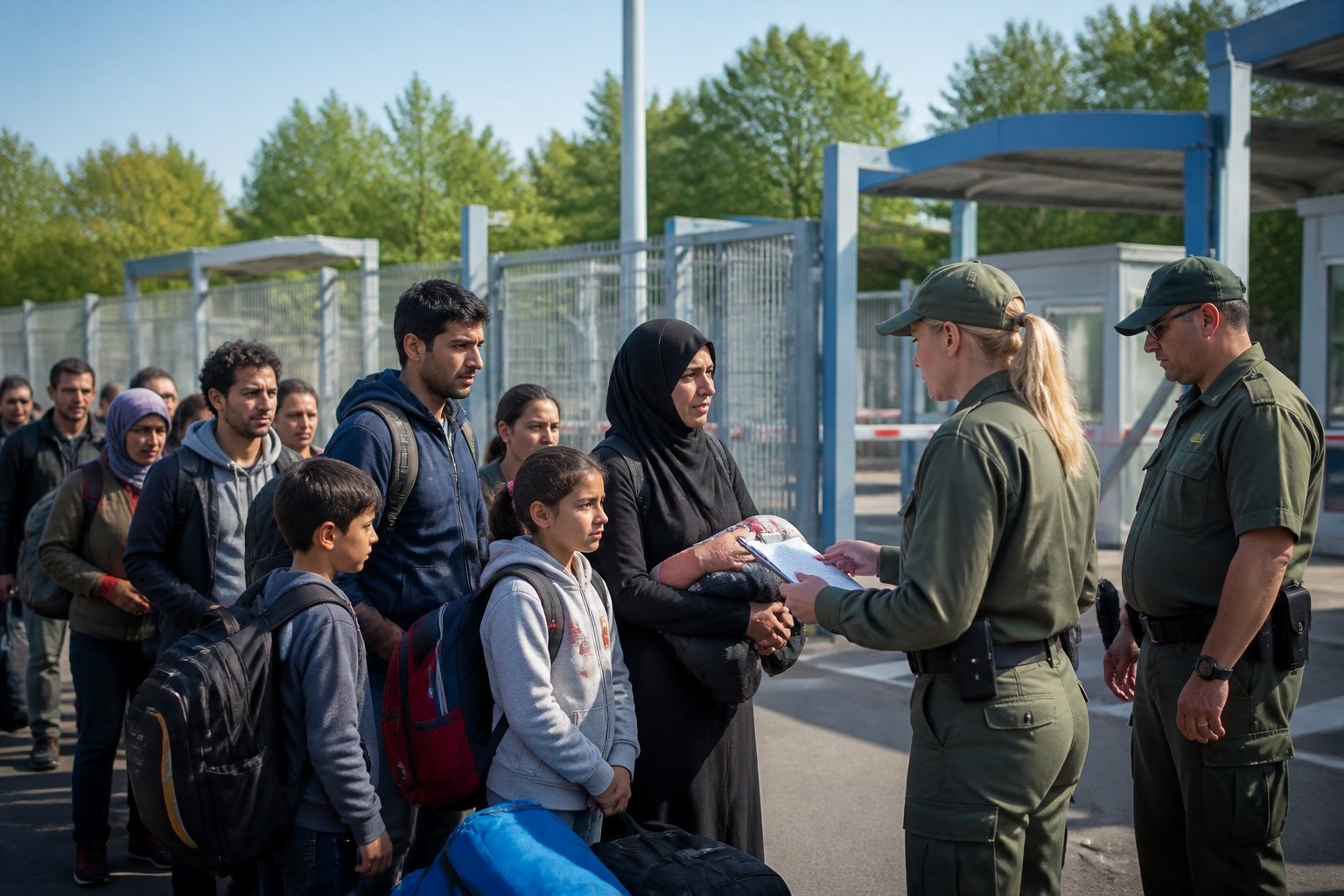
When you arrive at a Canadian border, airport, or seaport, you have the legal right to ask for refugee protection if you fear returning to your home country. You can make a refugee claim as soon as you arrive in Canada at any port of entry, where a Canada Border Services Agency officer will conduct an initial interview to determine if your claim is eligible to proceed. The process is free and does not require any government fees to start.
The officers will ask you questions about your situation and why you are seeking protection. They will check if your claim meets certain rules, including the Safe Third Country Agreement requirements. If your claim is eligible, it gets sent to the Immigration and Refugee Board of Canada, which will decide if you qualify as a refugee.
Understanding what happens at the border can help you prepare for this important process. This guide walks you through each step, from your first conversation with border officers to what documents you need and how decisions are made about your claim.
Key Takeaways
- You can claim refugee protection immediately upon arrival at any Canadian port of entry without paying government fees
- Border officers determine if your claim is eligible before referring it to the Immigration and Refugee Board for a final decision
- Proper preparation and documentation strengthen your claim and help explain why you need Canada’s protection
Key Steps When Seeking Refugee Protection at the Border
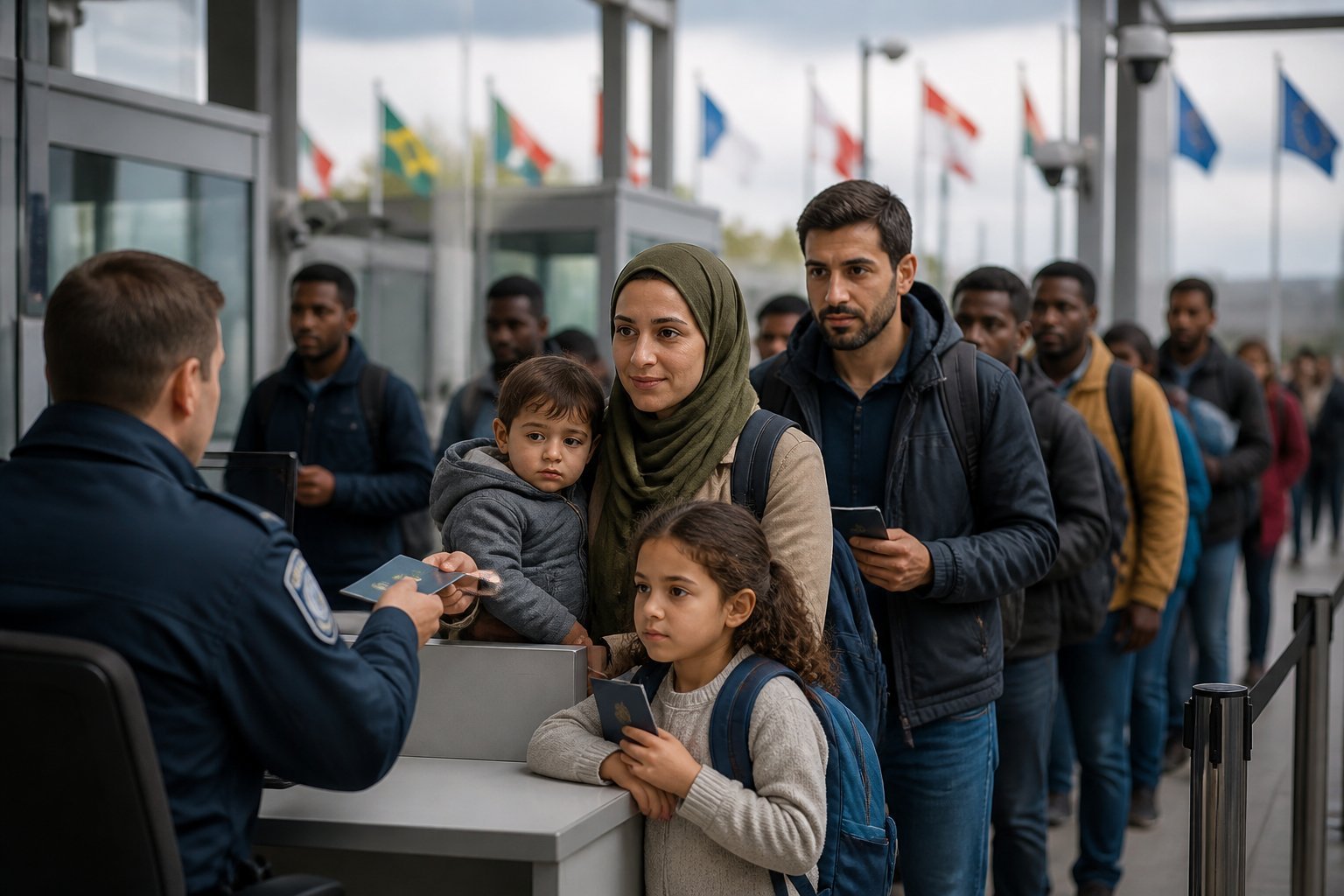
When you arrive at a Canadian border crossing to make a refugee claim, you’ll go through several required steps with the Canada Border Services Agency (CBSA). These steps include an initial declaration, an eligibility interview, biometric collection, and receiving temporary documents that allow you to stay in Canada while your claim is processed.
Initial Declaration and Contact with CBSA
You can make a refugee claim as soon as you arrive at any port of entry in Canada. This includes airports, land border crossings, and seaports.
Tell the CBSA officer immediately that you want to claim refugee protection. You don’t need to fill out forms or make appointments before arriving. The process begins when you speak to the officer.
The officer will ask you basic questions about your identity and why you’re seeking protection. You should be prepared to explain why you cannot return to your home country. This initial conversation is not the full eligibility interview, but it starts your claim process.
Important things to know:
- Making a refugee claim at the border is free
- You don’t pay government fees to submit your claim
- The CBSA officer will document your arrival and intention to claim asylum
Eligibility Interview Process and Requirements
After your initial declaration, a CBSA officer will conduct an eligibility interview. This interview determines whether your refugee claim can be sent to the Immigration and Refugee Board of Canada (IRB) for a full hearing.
The officer will ask questions about your identity, travel route, and reasons for seeking protection. They will also check if you meet eligibility requirements under Canadian law. Some claims are ineligible if you have status in another safe country or have made previous claims elsewhere.
You should answer all questions truthfully and provide as much detail as possible. The information you give during this interview becomes part of your official claim record.
The officer will explain the next steps if your claim is eligible. They will tell you about upcoming requirements and deadlines you must meet.
Biometrics, Identity Documents, and Medical Exam
CBSA will collect your biometrics during the border process. This includes your fingerprints and photo. These biometrics help confirm your identity and check security databases.
You must provide any identity documents you have with you. This can include:
- Passport
- National identity card
- Birth certificate
- Driver’s license
- Any other government-issued identification
If you don’t have documents, tell the officer why. Missing documents won’t automatically stop your claim, but you need to explain their absence.
You’ll also need to complete an immigration medical exam (IME) after making your claim. The exam checks for health conditions that could affect public health or safety. CBSA will give you information about where to get this exam done.
Receiving Claimant and Identity Documents
Once CBSA determines your claim is eligible, you’ll receive temporary documents that let you stay in Canada legally while your claim is processed.
The main document is the Refugee Protection Claimant Document. This document proves you have an active refugee claim in Canada. It shows your name, photo, and claim information.
You may also receive a Refugee Protection Identity Document (RPID) if you don’t have other valid identity papers. The RPID serves as temporary identification while you wait for your hearing with the IRB.
These documents are important. You’ll need them to access services, apply for a work permit, and prove your legal status in Canada. Keep them safe and bring them to all appointments related to your claim.
Eligibility Screening and Safe Third Country Rules
When you claim asylum at the Canada-US border, officials screen your case to check if you can make a claim in Canada. The Safe Third Country Agreement between Canada and the United States plays a major role in this process.
Safe Third Country Agreement and Its Impact
The Safe Third Country Agreement (STCA) has been in effect since 2004. It states that you must claim asylum in the first safe country you enter.
If you enter Canada from the US at a land border crossing, the STCA usually applies to you. This means border officers can turn you away and send you back to the United States to make your claim there instead. The agreement treats both countries as safe for refugee claims.
The STCA applies in these situations:
- When you arrive at official land border crossings
- When you cross between ports of entry and claim asylum within 14 days
- When you arrive by train from the US
- When you arrive at airports after being refused refugee status in the US
If you are returned to the US under this agreement, you cannot make your refugee claim in Canada. You must pursue your asylum case in the United States.
Conditions for Returning to the US
The Canada Border Services Agency (CBSA) conducts your eligibility determination at the border. They review your case to decide if the STCA applies to you.
If CBSA determines the agreement applies and you don’t qualify for an exemption, you will be returned to the US. This happens even if you believe you face danger in your home country. The key factor is whether you should have made your claim in the United States first.
Bill C-12 (the Strengthening Canada’s Immigration System and Borders Act) added important changes. Even if you meet an STCA exception, this does not guarantee your claim goes to the Immigration and Refugee Board of Canada (IRB) for a full hearing. Your claim still needs to pass the eligibility screening.
CBSA may place you in detention if they have concerns about your identity or believe you pose a risk. A criminal record can also affect your eligibility and may lead to your claim being rejected.
Exemptions and Exceptions to Ineligibility
You can make a refugee claim at the border if you qualify for a Safe Third Country exemption. These exceptions allow you to bypass the normal STCA rules.
The main exemptions include:
- You have specific family members in Canada (anchor relatives) who are citizens, permanent residents, or protected persons
- You hold a valid Canadian visa (transit visas don’t count)
- You are an unaccompanied minor under 18 years old
- You have certain travel documents or are a stateless person who meets specific criteria
To use the family exemption, your relative in Canada must be a parent, child, sibling, grandparent, grandchild, aunt, uncle, niece, or nephew. Your family member must have the right immigration status in Canada.
You need to prove you qualify for an exemption when you arrive at the border. Bring documents that show your relationship to family members or copies of your valid Canadian visa. Without proof, border officers may return you to the United States.
Preparing and Submitting the Basis of Claim
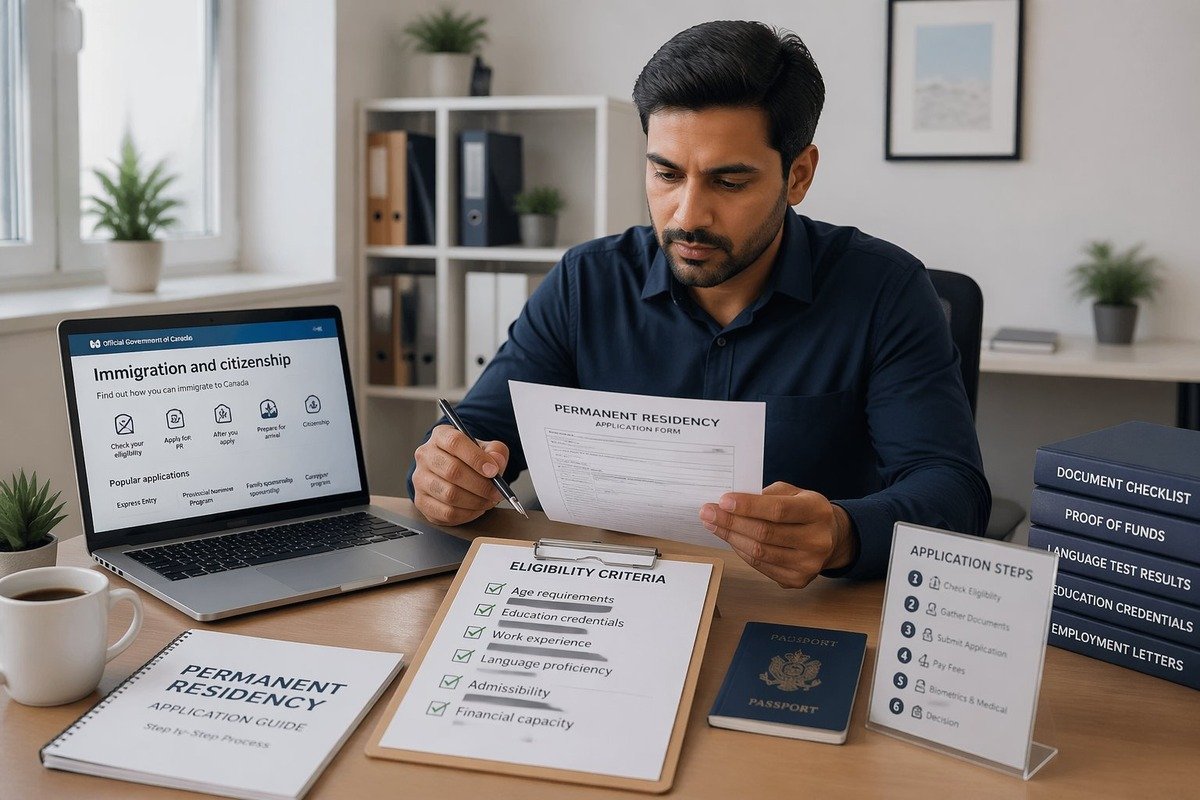
The Basis of Claim (BOC) form serves as your official written testimony explaining why you need refugee protection. You must complete this form accurately and submit it within 15 days of making your refugee claim at the port of entry, along with any supporting documents that strengthen your case.
Completing the BOC Form
The BOC form requires detailed information about your identity, travel history, and the reasons you cannot return to your home country. You need to explain your fear of persecution clearly and include specific dates, locations, and events that led to your claim.
Your form must address why you face persecution based on factors like race, religion, nationality, political opinion, or membership in a particular social group. Be consistent with all details because the Immigration and Refugee Board will use this form to question you during your hearing.
You can access and submit the BOC form through the IRCC Portal after your initial claim at the border. Fill out every section completely and avoid leaving blank spaces that could raise questions about your claim.
Role of Evidence and Supporting Documents
Supporting documents help prove the persecution or threats you described in your BOC form. Include any evidence you have such as police reports, medical records, photos of injuries, threatening letters, or news articles about conditions in your country.
Personal documents like identity papers, travel documents, and membership cards can verify the details in your claim. If you don’t have original documents, explain why in your BOC form.
Country condition reports and expert opinions about your home country can support your fear of persecution. Submit all documents with your BOC form or as soon as possible after the 15-day deadline if you need more time to gather them.
Legal Representation and Legal Aid
You have the right to hire a legal representative to help prepare your BOC form and represent you throughout the refugee process. A lawyer or immigration consultant can review your form for consistency and help you organize your evidence effectively.
Legal aid programs in most provinces provide free legal services to refugee claimants who cannot afford a lawyer. Contact legal aid in your province soon after making your claim to find out if you qualify for assistance.
Your legal representative can explain complex parts of the refugee process and prepare you for your hearing. They can also communicate with the Immigration and Refugee Board on your behalf and ensure all deadlines are met.
Refugee Claim Assessment and Outcomes
Once the Canada Border Services Agency determines your claim is eligible, the Immigration and Refugee Board of Canada reviews your case to decide if you qualify as a Convention refugee or person in need of protection. Your claim moves through specific stages that include hearings, possible appeals, and access to health coverage while you wait for a decision.
Refugee Protection Division Hearing
The Refugee Protection Division (RPD) is the first body within the Immigration and Refugee Board that hears your case. You receive a notice telling you when and where your hearing will take place. The RPD hearing is your opportunity to explain why you need refugee protection.
At the hearing, a member of the RPD asks you questions about your claim. You can bring a lawyer or representative to help you. You need to provide evidence that supports your story, such as documents, photos, or letters from people who know about your situation.
The RPD member decides if you are a Convention refugee, which means you face persecution based on race, religion, nationality, political opinion, or membership in a particular social group. They also consider if you are a person in need of protection because of risks like torture or cruel treatment if you return to your country.
After the hearing, you receive a written decision. If the RPD accepts your claim, you gain protected person status and can apply for permanent residence.
Refugee Appeal Division and Further Steps
If the RPD rejects your claim, you may appeal to the Refugee Appeal Division (RAD) within 15 days. The RAD is another part of the Immigration and Refugee Board of Canada that reviews RPD decisions for legal errors or mistakes about the facts.
The RAD usually makes its decision based on the documents in your file without holding a new hearing. In some cases, the RAD may hold a hearing if it needs more information. The RAD can confirm the RPD decision, overturn it and accept your claim, or send your case back to the RPD for a new hearing.
You cannot appeal to the RAD if your claim was found to have no credible basis or if you come from a country that Canada considers safe. If the RAD rejects your appeal, you may apply for judicial review at the Federal Court, but this option has strict time limits and requirements.
Health Coverage and Support for Claimants
The Interim Federal Health Program (IFHP) provides temporary health coverage while your refugee claim is being processed. This program covers basic medical care, emergency services, and some prescription medications.
IFHP coverage starts once your claim is confirmed as eligible. You receive an IFHP certificate that you show to doctors and pharmacies when you need care. The program covers children’s health needs, prenatal care for pregnant women, and treatment for conditions that pose a risk to public health.
Your IFHP coverage continues until you receive a final decision on your claim or until your status in Canada changes. If your claim succeeds, you transition to provincial health coverage when you apply for permanent residence.
Abandonment, PRRA, and Post-Claim Pathways
Your refugee claim can be declared abandoned if you miss your hearing without a valid reason or fail to respond to Immigration and Refugee Board communications. If this happens, you can request an abandonment hearing to explain why you missed the deadline or appointment.
At an abandonment hearing, you must show that there were circumstances beyond your control that prevented you from attending. If the IRB accepts your explanation, your claim continues. If not, your claim ends and you may face removal from Canada.
The Pre-Removal Risk Assessment (PRRA) is an option for people whose claims were rejected or who were found ineligible to make an inland refugee claim. A PRRA evaluates if you would face danger if removed to your home country. This process is different from the refugee claim process and has different rules about evidence and timing.
If your PRRA is rejected, you have limited options remaining in Canada and may need to leave the country.