How to Apply for Permanent Residency Through Canada’s Express Entry in 2026

If you’ve received an Invitation to Apply (ITA) for permanent residency through Canada’s Express Entry system, congratulations — you’re one step closer to making it happen. The application itself is straightforward, but it’s time-sensitive: you have only 60 days to submit a complete application. Here are the four steps, updated with current 2026 fees and figures.
Understanding the Express Entry Application Process
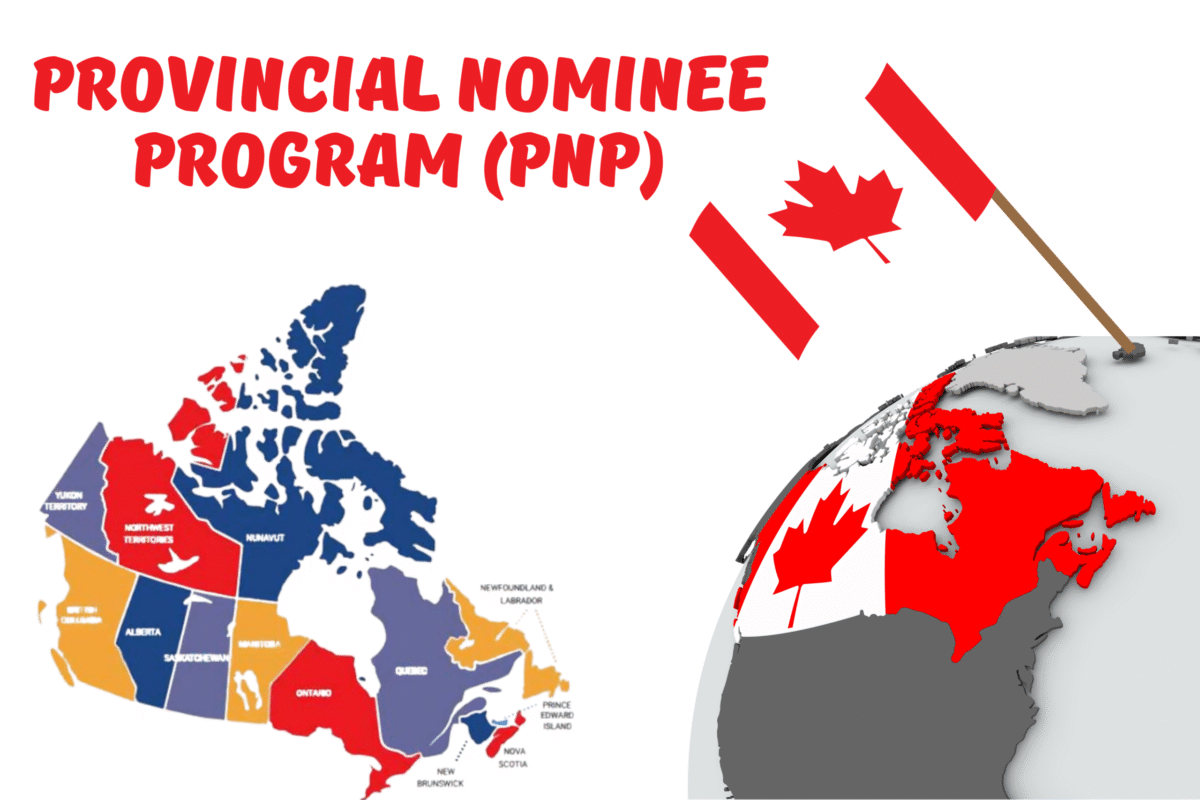
Express Entry manages applications for the Federal Skilled Worker Program, Federal Skilled Trades Program, and Canadian Experience Class, plus Provincial Nominee Program and category-based candidates. Once you receive an ITA, you’re on a fast track to permanent residency — but missing the deadline or submitting incomplete information can jeopardize your application.
Step 1: Fill Out the Application Form
When IRCC issues your ITA, you’ll get a message in your Express Entry account specifying your program and next steps. Your ITA is valid for 60 days only.
- Sign in to your Express Entry account and navigate to “Continue my profile / application, not yet submitted.”
- Locate your application where “application type” shows “permanent residency,” then click “Continue application.”
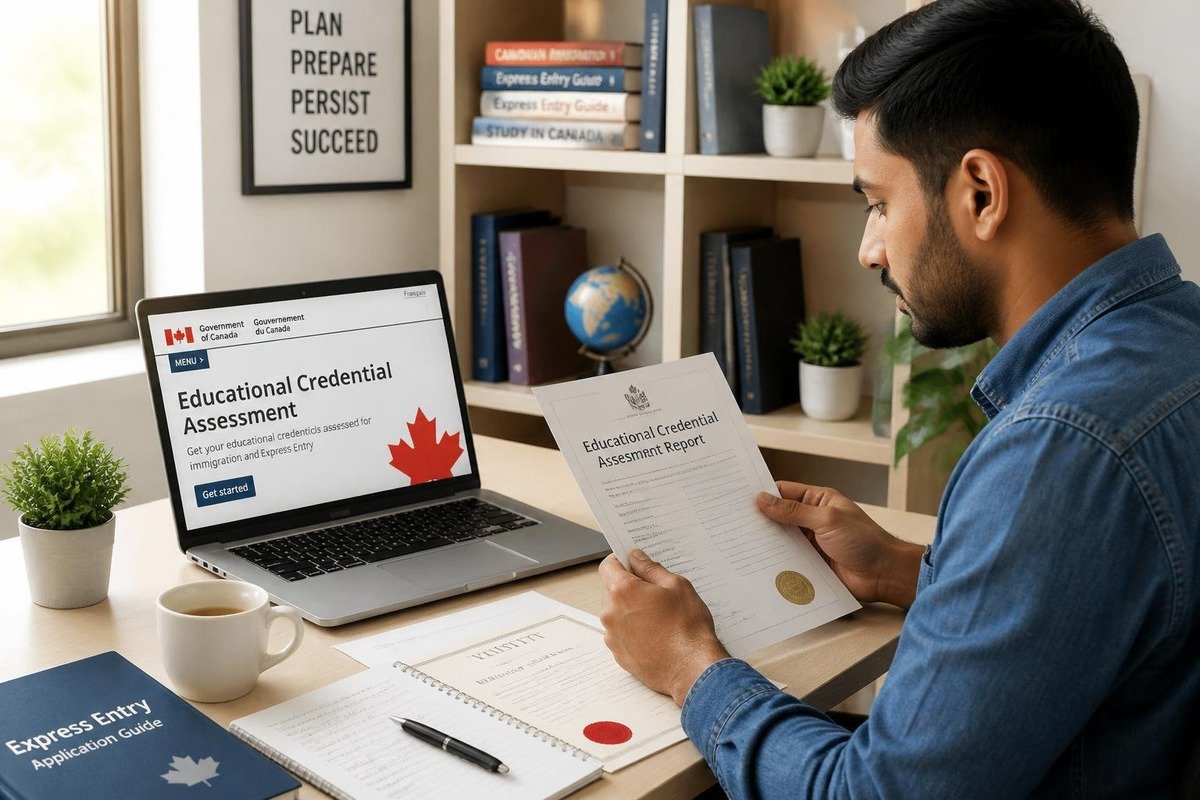
- Complete the form with accurate personal information, education history (including any Educational Credential Assessment), work experience, language test results, family details, and adaptability factors.
Pro tip: Double-check every entry — errors or inconsistencies can delay or jeopardize your application. If anything is unclear, consult IRCC’s help centre or a Regulated Canadian Immigration Consultant (RCIC).
Step 2: Upload Your Documents
IRCC provides a personalized document checklist in your account. Commonly required documents include:
- Passport or travel document
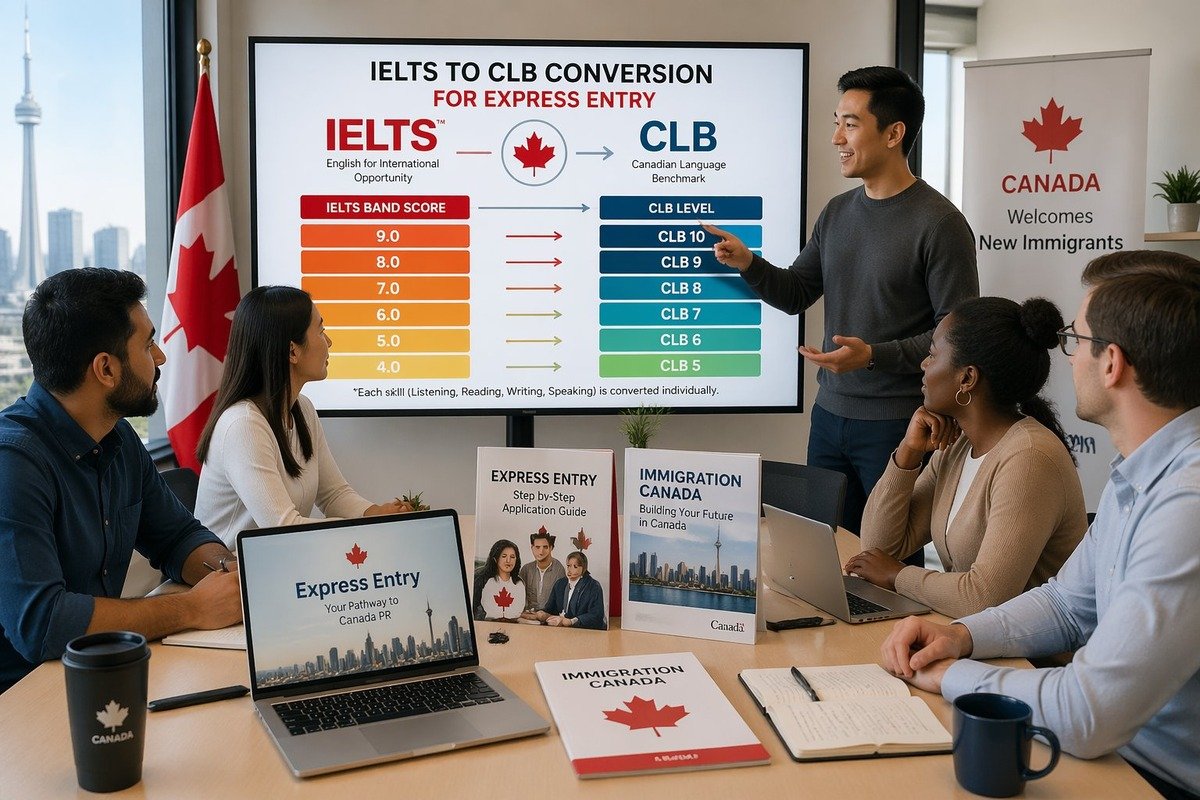
- Language test results (IELTS, CELPIP, TEF, or TCF)
- Educational Credential Assessment for foreign credentials
- Work experience letters detailing job titles, duties, hours, and dates
- Proof of funds — recent published figures put the 2026 requirement at roughly $15,263 CAD for a single applicant, rising with family size, though this amount updates annually so confirm the current table on IRCC’s site before relying on it
- Police certificates from every country where you’ve lived for 6+ months since age 18
- Medical exam results from an IRCC-approved panel physician (valid 12 months)
- Provincial nomination certificate, if applicable
- Marriage/divorce certificates, where relevant
- Digital passport-style photos meeting IRCC specifications
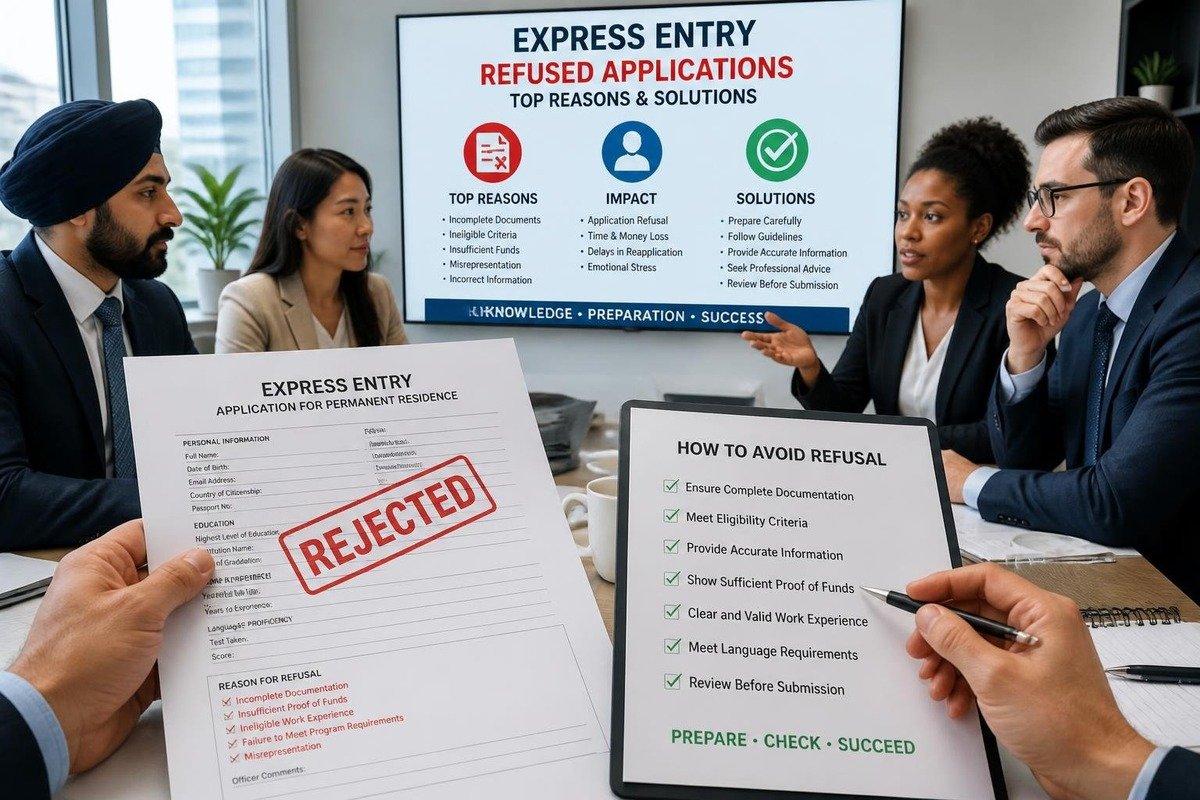
Key notes: upload clear, legible PDF scans (typically under 4 MB per document); documents not in English or French need certified translations; missing or incomplete documents can get your application returned or refused.
Step 3: Pay the Fees
As of the fee schedule in effect since April 30, 2026:
- Processing fee + Right of Permanent Residence Fee: $990 + $600 = $1,590 CAD per adult (principal applicant and accompanying spouse or partner each)
- Dependent child fee: $270 CAD per child under 22 (no RPRF for children)
- Biometrics fee: $85 CAD per person, capped around $170 CAD for a family group applying together, if not already provided within the last 10 years
Pay online through IRCC’s secure portal and keep your payment receipt — you’ll need it with your application. Processing fees are non-refundable; you can pay the RPRF later if approved, but paying upfront avoids delays at the final stage.
Step 4: Submit Your Application
- Review everything — form sections, uploaded documents, and payment receipts.
- Click “Submit” in your Express Entry account. You’ll get a confirmation message and an Application Number for tracking.
- After submission: IRCC’s service standard targets processing within six months for most complete applications. You may be asked for additional documents or an interview.
Important: you cannot edit your application after submission. If your circumstances change (marriage, new job, new passport), notify IRCC immediately. If you’re in Canada on a temporary visa and your status is at risk of lapsing during processing, look into a Bridging Open Work Permit.
Why Act Fast in 2026
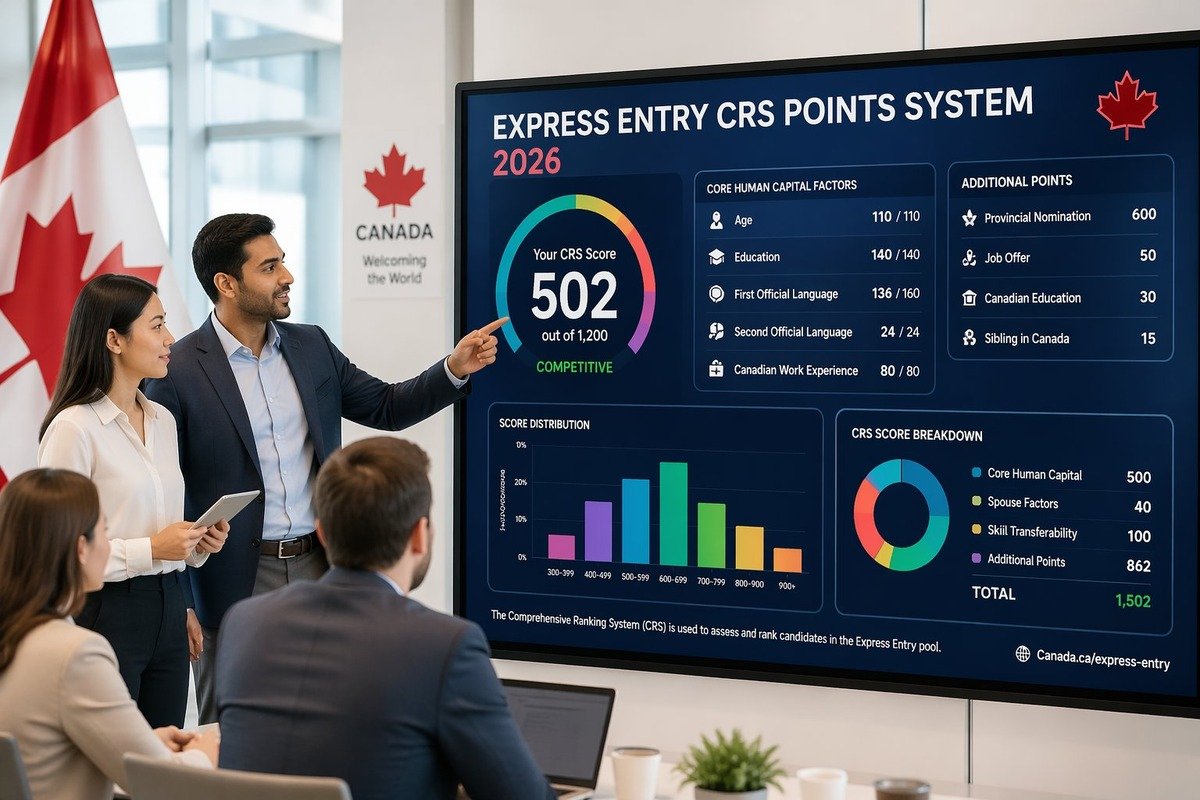
The 60-day ITA deadline is non-negotiable — missing it means re-entering the pool and waiting for another invitation. Through the first five months of 2026, IRCC issued 79,841 ITAs across 30 draws, with category-based rounds (French language, healthcare, trades, and others) running alongside CEC and general draws. CRS cutoffs have varied widely by category — French-language draws as low as the high 370s, healthcare draws around 467–500, and CEC draws in the 500s. See our full 2026 Express Entry breakdown and latest CEC draw results for current numbers.
Tips for a Successful Application
- Start early: gather documents like police certificates and medicals as soon as you enter the pool, so you’re ready the moment an ITA arrives.
- Double-check documents: clear, complete uploads meeting IRCC specifications reduce the risk of refusal.
- Boost your CRS score while you wait: French proficiency, a provincial nomination (600 points), or additional Canadian work experience can all help. See our CRS scoring guide for the full breakdown.
- Get expert help for complex cases: an RCIC can review your application or handle issues like spousal sponsorship or inadmissibility.
- Monitor your account regularly: additional document requests sometimes carry short deadlines.
Final Thoughts
Receiving an ITA is a real opportunity, but the 60-day deadline demands quick, organized action. Follow IRCC’s four steps — complete the form, upload your documents, pay the fees, and submit — and double-check every detail before you hit submit, since you can’t edit afterward. For the latest official guidance, visit the IRCC Express Entry page directly.