Canada Cuts Indian Student Permits by 31%
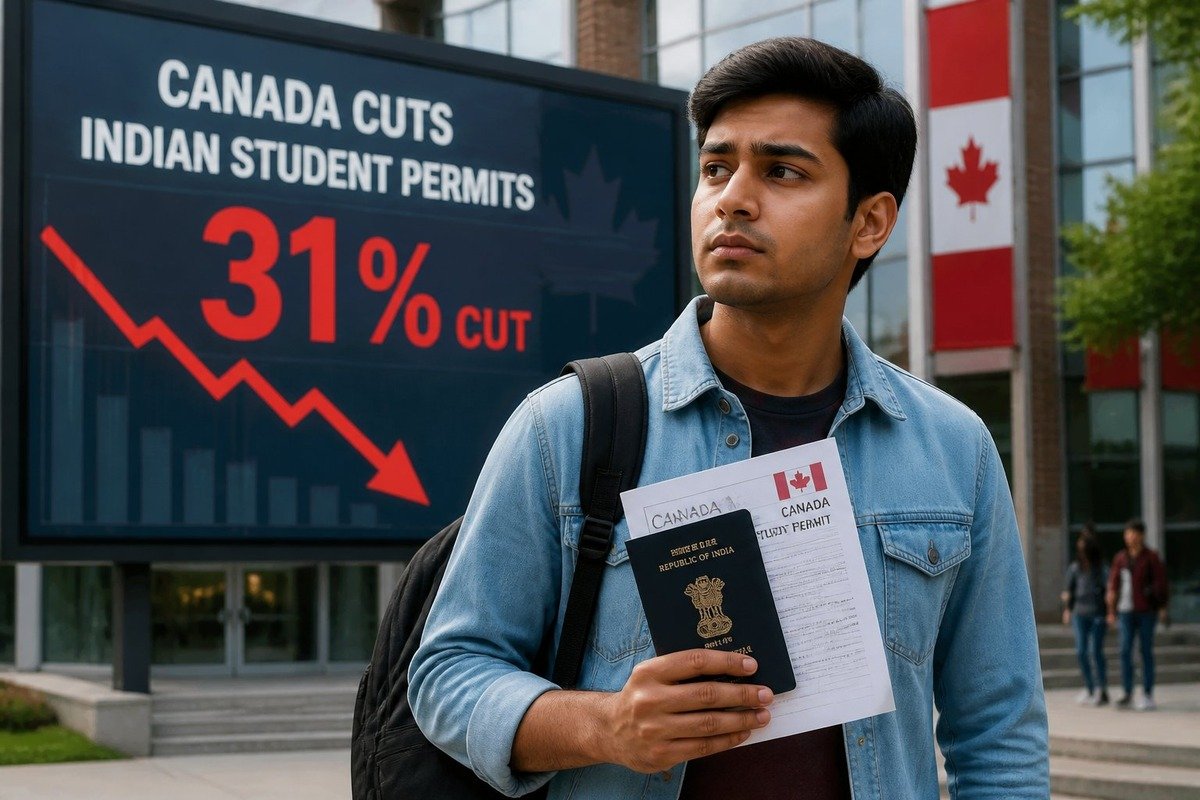
Canada cuts Indian student permits In early 2025. Canada significantly reduced study permits for Indian students by 31%, issuing only 30,640 permits in the first quarter compared to 44,295 in the same period of 2024. This sharp decline, part of a broader 21% drop in overall international student permits, reflects Canada’s tightening immigration policies. With Indian students historically comprising 40–45% of Canada’s international student population, this change has sparked concern among aspiring students, educational institutions, and families. Backed by the trusted EduCanada brand—a collaboration between the Council of Ministers of Education, Canada (CMEC) and Global Affairs Canada—this blog post explores the reasons behind the cuts, their impact, and what Indian students can do to navigate this new landscape. (Note: EduCanada is a protected trademark of the Government of Canada, used under a Master Licence Agreement. Unauthorized reproduction is prohibited.)
Why Canada Is Reducing Study Permits
Canada’s decision to cut study permits stems from several factors tied to national resource constraints and immigration policy shifts:
-
Housing and Infrastructure Pressure: Canada’s rapid population growth, partly driven by international students, has strained housing, healthcare, and transportation systems. A looming housing crisis has prompted the government to limit temporary residents, including students, to 5% of the population by 2027.
-
Policy Reforms: In January 2024, Canada introduced stricter study permit requirements, including a doubled financial threshold of CAD 20,635 (approximately INR 12.7 lakh) for living expenses, up from CAD 10,000. This aims to ensure students can support themselves amid rising costs.
-
Permit Caps: The government capped study permits at 437,000 for 2025, down 10% from 485,000 in 2024, with plans to maintain this limit through 2026. This follows a peak of 681,155 permits in 2023, with Indian students securing 278,045.
-
Fraud Prevention: A new verification system, effective December 2023, requires Designated Learning Institutions (DLIs) to confirm Letters of Acceptance (LOAs) via an IRCC portal, reducing fraudulent applications after incidents like the 2018–2019 fake LOA scam affecting Indian students.
These measures reflect Canada’s effort to balance economic contributions from international students—estimated at CAD 20 billion annually from Indian students alone—with sustainable population growth.
Impact on Indian Students
The 31% reduction in study permits has significant implications for Indian students, who have been Canada’s largest student source since 2018. Here’s how it affects them:
-
Fewer Opportunities: The drop from 44,295 permits in Q1 2024 to 30,640 in Q1 2025 limits access to Canadian education, particularly for students targeting popular provinces like Ontario and British Columbia.
-
Increased Competition: With a national cap of 437,000 permits, competition for spots at DLIs is fiercer. Colleges are advising students to apply 9 months in advance with meticulous documentation, including proof of funds and accommodation plans.
-
Financial Burden: The new CAD 20,635 financial requirement, combined with tuition fees (CAD 15,000–40,000/year), poses a challenge for Indian students, especially with the Indian rupee’s depreciation against the Canadian dollar.
-
Institutional Impact: Colleges reliant on international tuition, which topped CAD 10 billion in 2024, face revenue losses. Some, like Holland College in Prince Edward Island, have cut programs, projecting an 83% drop in international enrollment.
This shift has led some Indian students to explore alternatives like Germany and New Zealand, which saw enrollment increases of 68% and 354% respectively in 2024 due to more favorable visa policies.
What Indian Students Can Do
Despite the challenges, Indian students can still pursue their Canadian study dreams with strategic planning:
-
Apply Early: Submit applications at least 9 months before your intended start date to account for longer processing times (currently 8 weeks for Indian applicants).
-
Prepare Strong Documentation: Provide airtight proof of funds (e.g., bank statements, sponsorship letters), a compelling Statement of Purpose, and confirmed accommodation plans to strengthen your study permit application.
-
Explore Scholarships: Look for scholarships at DLIs or through EduCanada to offset costs. Programs like the Vanier Canada Graduate Scholarships can help.
-
Consider Alternative Provinces: Less competitive provinces like Manitoba or Saskatchewan may have more permit availability compared to Ontario or British Columbia.
-
Stay Informed: Monitor IRCC updates for changes in permit caps or Post-Graduation Work Permit (PGWP) eligibility, especially after November 2024’s stricter language and program requirements.
Looking Ahead – Canada cuts Indian student permits
The 31% cut in Indian student permits reflects Canada’s broader strategy to manage immigration while addressing domestic pressures. While this poses challenges, Canada remains a top destination for its world-class education, multicultural environment, and pathways to permanent residency through programs like the PGWP and Express Entry. Indian students, contributing significantly to Canada’s economy and diversity, can navigate this landscape by planning ahead and leveraging resources like EduCanada and IRCC.
Have questions about studying in Canada? Share them in the comments or consult a licensed immigration professional for personalized guidance. Your Canadian education journey is still within reach with the right preparation!