Canadian Tax System: A Friendly Guide to GST, HST & More

Introduction
Canadian Taxes System might not be the most thrilling topic, but if you’re living in Canada—or planning to—they’re an unavoidable part of life. The Canadian Tax System is a well-structured framework designed to fund public services like healthcare, education, and infrastructure, while also balancing fairness and economic growth. At its heart, it’s a system that blends federal and provincial taxes, with the Goods and Services Tax (GST) and its cousin, the Harmonized Sales Tax (HST), playing starring roles in everyday purchases. Whether you’re buying a coffee, filing your income taxes, or running a small business, understanding how this system works can save you headaches and maybe even a few bucks. Canadian Tax System
I remember my first tax season in Canada—staring at a pile of receipts, wondering why my grocery bill felt lighter than my takeout order. Turns out, it’s all about exemptions, rates, and a little thing called “zero-rating.” The Canadian Tax System isn’t just numbers on a page; it’s a reflection of how the country prioritizes its people and economy. In this blog post, we’ll break it down step-by-step—GST, HST, exemptions, business compliance, and more—so you can feel less like a confused bystander and more like a tax-savvy Canadian. Plus, stick around for a handy FAQ section to tackle those burning tax season questions!
Hey there, Canadian friends (and curious visitors)! Taxes might not be the most thrilling topic, but understanding them can save you headaches, cash, and maybe even a little sanity. In Canada, one of the big players in our tax world is the Goods and Services Tax (GST), and depending on where you live, it might team up with provincial taxes to become the Harmonized Sales Tax (HST) or sit alongside a separate Provincial Sales Tax (PST). Let’s break it all down in a way that feels less like a tax manual and more like a chat over coffee. Canadian Tax System
 What Is GST, Anyway?
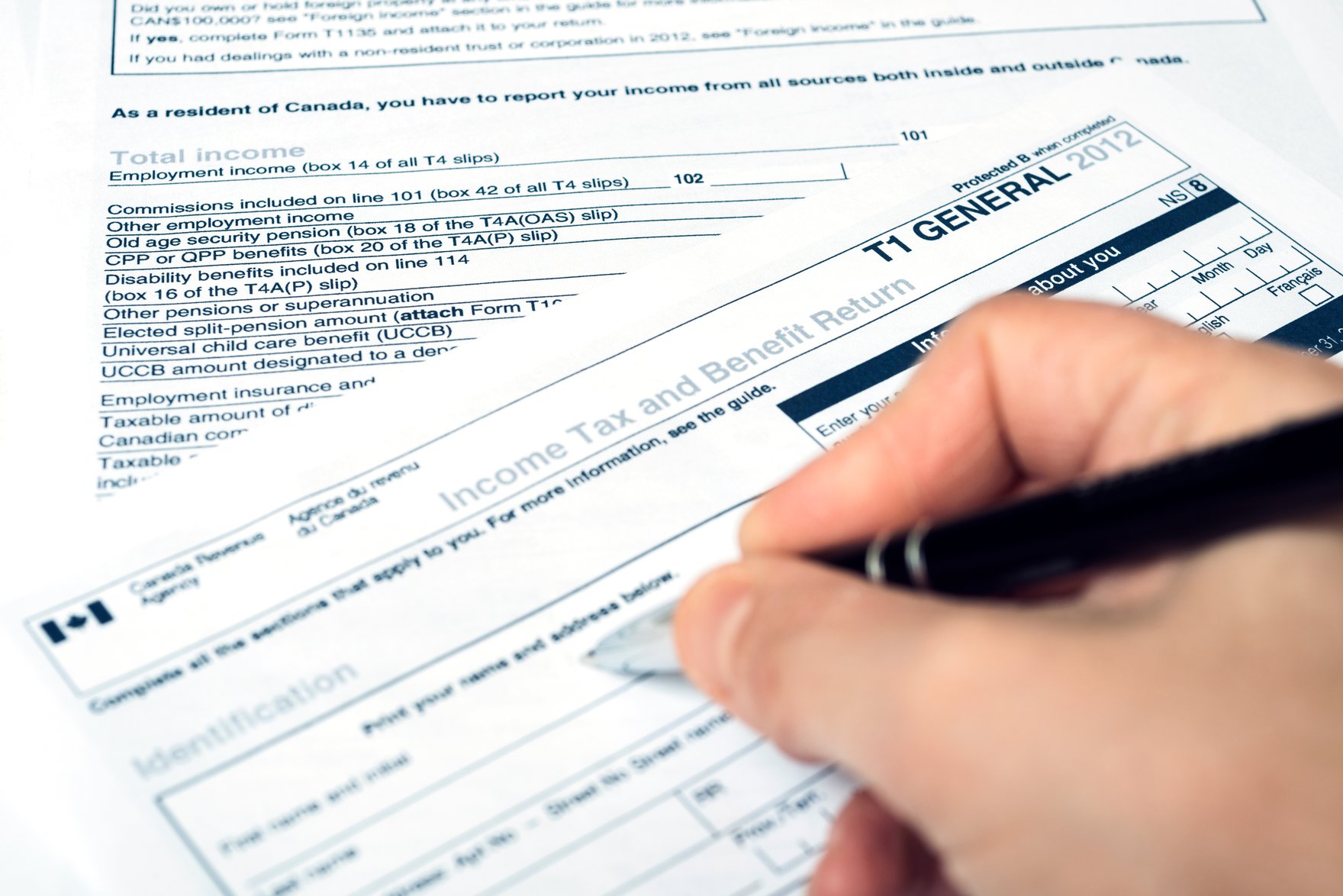
Picture this: you’re grabbing a coffee, a new pair of sneakers, or maybe a haircut. That little extra you see on your bill? That’s often the GST at work. Introduced back on January 1, 1991, by Prime Minister Brian Mulroney’s government, the GST is a 5% federal tax added to most goods and services you buy across Canada. It replaced an older, hidden tax called the Manufacturers’ Sales Tax (MST) that was a hefty 13.5%. The GST is more transparent—you see it right there on your receipt—and it’s managed by the Canada Revenue Agency (CRA). Canadian Tax System
But here’s where it gets interesting: not every province sticks with just the GST. Some mix it with their own taxes, and others go solo. Let’s explore how this shakes out across the country.
GST vs. HST vs. PST: What’s the Deal?
Depending on where you live in Canada, your tax rate—and what it’s called—changes. Here’s the scoop:
Harmonized Sales Tax (HST): The Team Players
Some provinces decided to blend the GST with their provincial sales tax into one tidy package called the HST. It’s like a tax smoothie—simpler for businesses and still collected by the CRA. Here’s where you’ll find HST and the rates as of 2026:
-
Ontario: 13%
-
New Brunswick: 15%
-
Newfoundland and Labrador: 15%
-
Nova Scotia: 15%
-
Prince Edward Island: 15%
If you’re in one of these provinces, that single percentage covers both federal and provincial taxes. Easy peasy, right?
Separate GST + PST: The Independent Spirits
Other provinces like to keep things separate, charging the 5% GST plus their own PST. Here’s how it looks:
-
British Columbia: GST 5% + PST 7% = 12% total
-
Manitoba: GST 5% + PST 7% = 12% total
-
Saskatchewan: GST 5% + PST 6% = 11% total
-
Quebec: GST 5% + QST (Quebec Sales Tax) 9.975% = nearly 15% total
In these places, you’ll see two lines on your receipt—one for GST and one for the provincial tax. Quebec’s QST is a bit special because it’s managed by Revenu Québec, not the CRA, but it works similarly.
Just GST: The Minimalists
Then there are the laid-back spots with no provincial sales tax at all—just the 5% GST:
-
Alberta
-
Yukon
-
Nunavut
-
Northwest Territories
If you’re shopping in Alberta, for example, you’re dodging that extra provincial hit. Lucky you!
What Doesn’t Get Taxed?
Not everything gets slapped with GST, HST, or PST. Here’s where you catch a break:
-
Exempt Supplies: These are free from GST/HST entirely. Think basic groceries (bread, milk, veggies), rent for your apartment, doctor visits, school tuition, or even bank fees. Businesses selling these can’t claim back the tax they pay on their own expenses, though.
-
Zero-Rated Supplies: These are technically taxable, but the rate is 0%. You’ll see this with prescription drugs, medical devices, basic groceries (again!), and stuff we export out of Canada. Businesses here can claim back taxes they’ve paid, which is a nice perk for them.
So next time you’re buying carrots or filling a prescription, give a little nod to the tax break.
How Businesses Handle GST/HST
If you’re a small business owner—or just curious—here’s how the tax game works for companies:
-
Do I Need to Register? If your business makes more than $30,000 in taxable sales over four consecutive quarters, you’ve got to register for GST/HST with the CRA. Even if you’re under that, you can register voluntarily to claim tax credits (more on that soon!).
-
Filing Returns: You’ll need to report how much GST/HST you’ve collected and paid. How often depends on your sales:
-
Under $1.5 million annually? You can file yearly, quarterly, or monthly.
-
Over $1.5 million? It’s electronic filing time, usually monthly or quarterly.
-
-
Input Tax Credits (ITCs): This is the magic part for businesses. You can claim back the GST/HST you paid on stuff like office supplies, equipment, or utilities. Subtract that from what you collected, and that’s what you owe (or get refunded!).
For example: You collect $500 in GST from customers but paid $200 on business expenses. You send the CRA $300. Sweet deal, right?
Tax Season Tips for Everyday Canadians
While GST/HST is mostly a business-and-shopping thing, tax season (usually January to April) ties into your personal finances too. Here’s how to stay on top of it:
-
Keep Receipts: If you’re self-employed or have side hustles, track what you spend and collect. Those ITCs can add up!
-
Check for Credits: Low-income folks might qualify for the GST/HST Credit, a quarterly payment to offset what you’ve paid. The CRA figures this out from your income tax return.
-
File on Time: Personal income tax is due by April 30 for most people (June 15 if you’re self-employed, but pay any owed tax by April 30). Businesses have their own GST/HST deadlines—check your CRA account!
Recent Buzz: GST/HST Relief in 2025
Here’s a fresh tidbit: late 2024 into early 2025, the government rolled out a temporary GST/HST exemption on certain items (think holiday goodies or essentials). People on X have been chatting about it—some love the break, others think it’s a political move. Either way, it’s a little bonus if you’re shopping right now!

FAQs About Tax Season in Canada
Got questions? We’ve got answers. Here’s what folks often wonder about tax season:
1. When Do I File My Taxes?
-
Personal Income Tax: Due by April 30 each year (or June 15 if self-employed, but payment’s still due April 30).
-
GST/HST Returns: Depends on your business—monthly, quarterly, or yearly. Check your CRA My Business Account.
2. What’s the GST/HST Credit?
It’s a tax-free payment from the CRA to help low- and modest-income Canadians offset GST/HST costs. You don’t apply separately—it’s based on your income tax return. Payments come quarterly (January, April, July, October).
3. Do I Pay GST/HST on Used Stuff?
Usually, no! Private sales (like buying a used couch from a friend) skip the tax. But if a business sells used goods, it might apply.
4. Can I Get in Trouble for Not Registering?
If you’re over that $30,000 threshold and don’t register, yep—the CRA could hit you with penalties or back taxes. Better to check than guess!
5. How Do I Know My Province’s Tax Rate?
Look at your receipts! Or check above—HST provinces have one rate, GST+PST provinces list both, and GST-only spots are just 5%.
6. What If I Miss the Deadline?
Late personal tax filers might face a 5% penalty plus 1% monthly interest on what you owe. For GST/HST, it’s similar—don’t sleep on it!
Wrapping It Up
Taxes might feel like a maze, but once you get the lay of the land, it’s not so bad. Whether you’re a shopper spotting GST on your receipt, a business owner juggling ITCs, or just someone waiting for that sweet GST/HST credit, you’ve got this. Canada’s tax system is built to keep things running—so let’s keep it simple, stay on top of deadlines, and maybe treat ourselves to a coffee (tax included) when it’s all done. Canadian Tax System