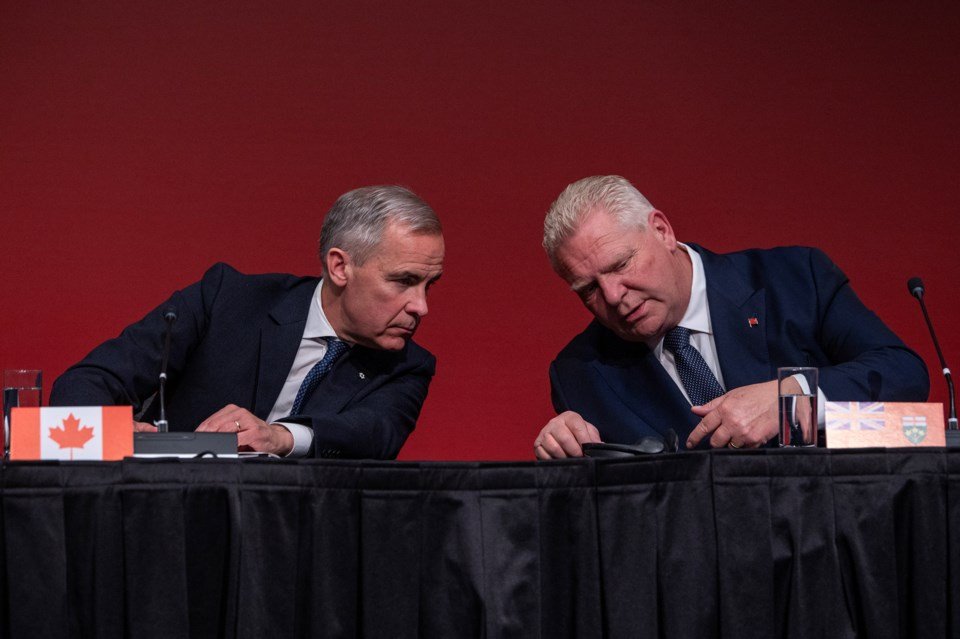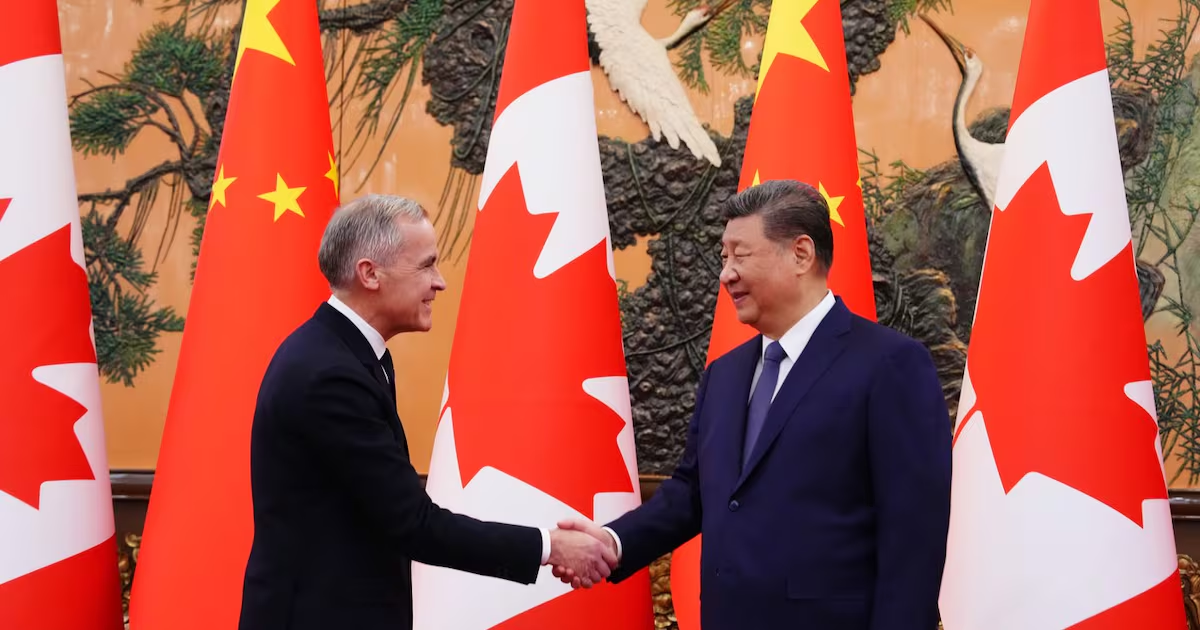
This article investigates into Ontario Premier Doug Ford’s critical perspective on former Bank of Canada Governor Mark Carney’s proposed trade deal with China. As Canadian and global economies evolve, trade agreements play a crucial role in shaping industries, particularly in sectors such as automotive manufacturing. The implications of these agreements can be profound, impacting employment, market opportunities, and the overall economic landscape.
With its strong auto sector, Ontario is at the center of this conversation, where Ford’s concerns about the trade deal underscore underlying tensions between fostering international trade and protecting local industries. In examining Ford’s critique, we will explore the importance of the auto sector in Ontario, the specifics of the trade agreement, and the reactions from various stakeholders, including workers, industry experts, and the general public.
Doug Ford’s Concerns
Impact on Ontario Workers
One of Doug Ford’s primary concerns regarding the trade deal with China is its potential impact on Ontario workers. The auto industry is a significant contributor to employment in the province, providing thousands of jobs both directly and indirectly. Ford argues that the influx of cheaper electric vehicles from China could threaten these jobs, as domestic auto manufacturers may struggle to compete with lower-cost imports. This fear stems from the historical context of the auto industry in Ontario, where fluctuations in trade agreements have previously resulted in job losses and factory closures.
Ford emphasizes the need for fair trade practices that protect Ontario workers, advocating for agreements that prioritize local industry sustainability. He worries that the trade deal may create an uneven playing field where Chinese manufacturers receive advantages not afforded to Canadian businesses, ultimately leading to a decline in employment within Ontario’s automotive sector.
Potential Threats to the Auto Industry
In addition to concerns about job losses, Ford also expresses worries regarding the broader implications of the trade deal for Ontario’s auto industry. The agreement may lead to an increasing dependency on foreign automotive products, particularly in the burgeoning electric vehicle market. As global demand for electric vehicles grows, Ford argues that Ontario risks losing its competitive edge if local manufacturers do not receive adequate support to innovate and adapt to market changes.
This dependency could stifle local investment in research and development, undermining Ontario’s reputation as a hub for automotive innovation. Ford insists that government initiatives should focus on advancing domestic manufacturing capabilities while ensuring that Ontario maintains a strategic position in the global automotive market. Without such measures, the province may find itself at a disadvantage compared to countries that prioritize support for their industries.
Details of the Trade Agreement
Electric Vehicles from China
The trade agreement under scrutiny proposes to facilitate the import of electric vehicles from China, a move that reflects the increasing global shift towards sustainable transportation. While electric vehicles present numerous environmental benefits, the influx of these vehicles from China raises questions about the impact on local manufacturing. Critics argue that this could lead to a significant increase in imported vehicles, potentially displacing locally produced options.
Moreover, the agreement underscores China’s growing influence in the green technology sector, which has vast implications for global trade dynamics. Ontario’s auto manufacturers, with their rich history of producing traditional vehicles, may face significant hurdles in adapting to this new reality without substantial investment and support from the government.
Tariff Structure Explained
Understanding the tariff structure within the trade agreement is vital for assessing its potential impact. Typically, trade agreements outline tariff reductions or eliminations that can make imports more attractive than domestic products. In this case, the tariff structure could favor Chinese electric vehicles, making them more competitively priced when compared to Ontario-made counterparts.
Such a scenario complicates the landscape for local manufacturers, who may struggle to match the pricing of imported vehicles while maintaining quality and adhering to Canadian regulations. The tariff dynamics, therefore, become a critical point of contention in Ford’s critique, as they serve to either protect or undermine the local auto industry depending on their design.
Benefits for Canadian Exports
Despite the concerns raised, proponents of the trade agreement argue there are potential benefits for Canadian exports as well. By opening up trade with China, Canadian companies may gain access to the vast Chinese market, which represents a significant opportunity for growth. Increased exports could lead to expanded business operations and a surge in demand for Canadian-made products, providing a counterbalance to the fears associated with increased imports.
Moreover, the agreement may facilitate collaboration between Canadian and Chinese firms in technology and innovation, particularly in the electric vehicle sector. This collaboration could lead to shared expertise, driving advancements and potentially benefiting Ontario’s automotive landscape in the long run.
Reactions from Various Stakeholders
Responses from Ontario Workers
The reaction from Ontario workers to the trade deal has been one of apprehension and concern. Many employees in the automotive sector fear that the agreement could lead to job instability, particularly those working in assembly and manufacturing plants. Unions and labor organizations have voiced their worries about the potential for layoffs and factory closures, further fueling the anxiety surrounding the deal.
Workers are also concerned about the long-term viability of their careers as the automotive industry transitions towards electric vehicles. The skills required for manufacturing electric vehicles differ from those needed for traditional vehicles, leading to fears about retraining and job displacement for workers who may not be equipped to make the shift.
Input from Industry Experts
Industry experts have provided a mixed response to the trade deal, noting both the potential risks and opportunities. Some experts caution against the reliance on foreign imports, emphasizing the importance of maintaining a strong domestic manufacturing base. They argue that the deal could undermine years of investment in the Ontario auto sector if not managed properly.
On the other hand, there are voices advocating for the strategic partnership with China, recognizing the importance of adapting to global trends. Experts suggest that Ontario can leverage the trade deal to position itself as a leader in electric vehicle technology, potentially setting new standards and practices that future agreements can build upon.
Public Opinion on the Deal
Public opinion on the trade deal has been polarized, with many citizens expressing uncertainty about its implications. Some members of the public support the deal, viewing it as a necessary step towards modernizing Canada’s automotive industry. They argue that engaging with China is crucial for remaining competitive in an increasingly interconnected global economy.
Conversely, there is significant skepticism regarding the government’s ability to protect local jobs and industries. This skepticism is fueled by past experiences where trade agreements have failed to provide the promised benefits to Canadian workers. Ultimately, public sentiment reflects a desire for a balanced approach that safeguards domestic interests while allowing for international trade growth.
Conclusion
Summary of Key Points
In summary, Doug Ford’s critique of Mark Carney’s trade deal with China centers around the potential risks to Ontario’s auto industry and its workforce. Concerns about job losses and increased dependency on foreign imports highlight the need for careful consideration of trade agreements. While the proposed benefits of access to the Chinese market and potential collaboration are noteworthy, they must be weighed against the immediate impacts on local employment and manufacturing capabilities.
Future Implications for Ontario and Canada
The future of Ontario’s automotive industry hinges on balanced trade practices that prioritize local interests while embracing the opportunities presented by globalization. As the world shifts towards electric vehicles, Ontario must take strategic steps to ensure that its workforce is prepared for the changes ahead. The ongoing dialogue among stakeholders, including government, industry experts, and workers, is essential in shaping a trade landscape that benefits all parties involved.
In navigating these complex dynamics, the ultimate goal should be to create a robust and resilient automotive sector in Ontario that can thrive in a globalized economy while safeguarding the livelihoods of its workers.