Federal Skilled Worker Program

Canada’s Front Door for Global Talent
Canada has a long-standing habit of inviting skilled people from around the world and saying, in effect, “If you can build, manage, analyze, heal, or fix things—welcome.”
The Federal Skilled Worker Program (FSWP) is one of the main ways this happens.
Designed for skilled workers with foreign work experience, this program allows qualified applicants to become permanent residents of Canada through the Express Entry system.
Let’s unpack how it works, minus the government fog.
Who Is the Federal Skilled Worker Program For?
The program targets skilled professionals whose education and work experience match Canada’s labour needs. This includes managers, supervisors, and people in jobs that typically require a university degree, college diploma, or apprenticeship training.
Selection is based on a mix of education, work experience, language ability, and other measurable factors. No guesswork, no vibes—just criteria.
Skilled Work Experience: The Backbone of Your Application
Before anything else, you must identify your job under Canada’s National Occupational Classification (NOC) system. Specifically, your experience must fall under TEER categories 0, 1, 2, or 3, which cover skilled occupations.
Your work experience must meet all of the following:
It must match the NOC of your primary occupation, even if that job isn’t your most recent one. You must have performed the core duties listed in the NOC description, including the lead statement. The experience must be paid, gained within the last 10 years, and equal at least one year of continuous work or 1,560 total hours.
Canada is flexible on how you earn those hours. Full-time, part-time, or multiple jobs can all count—as long as the math works.
Language Ability: Yes, You’ll Be Tested
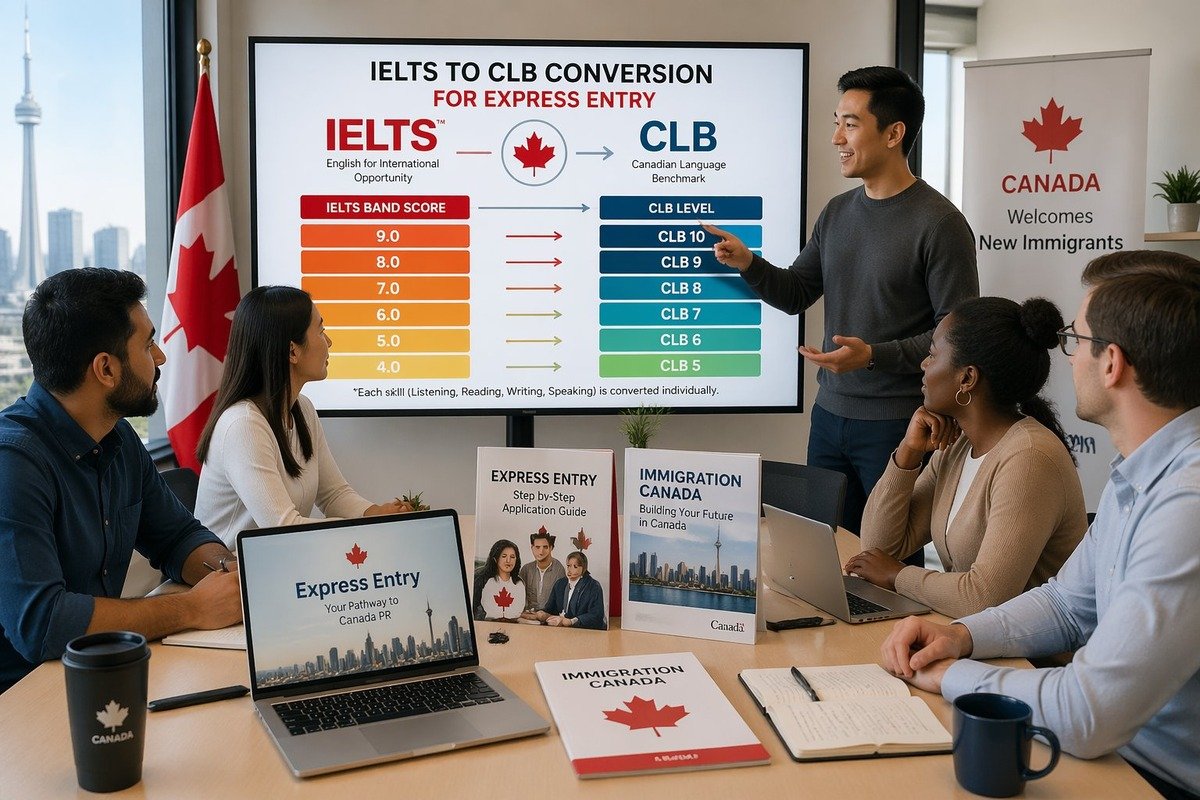
You must take an approved English or French language test and meet the minimum score in all four skills: reading, writing, listening, and speaking.
Canada wants to know you can communicate, not just nod politely.
Education: Canadian or Foreign, Both Can Work
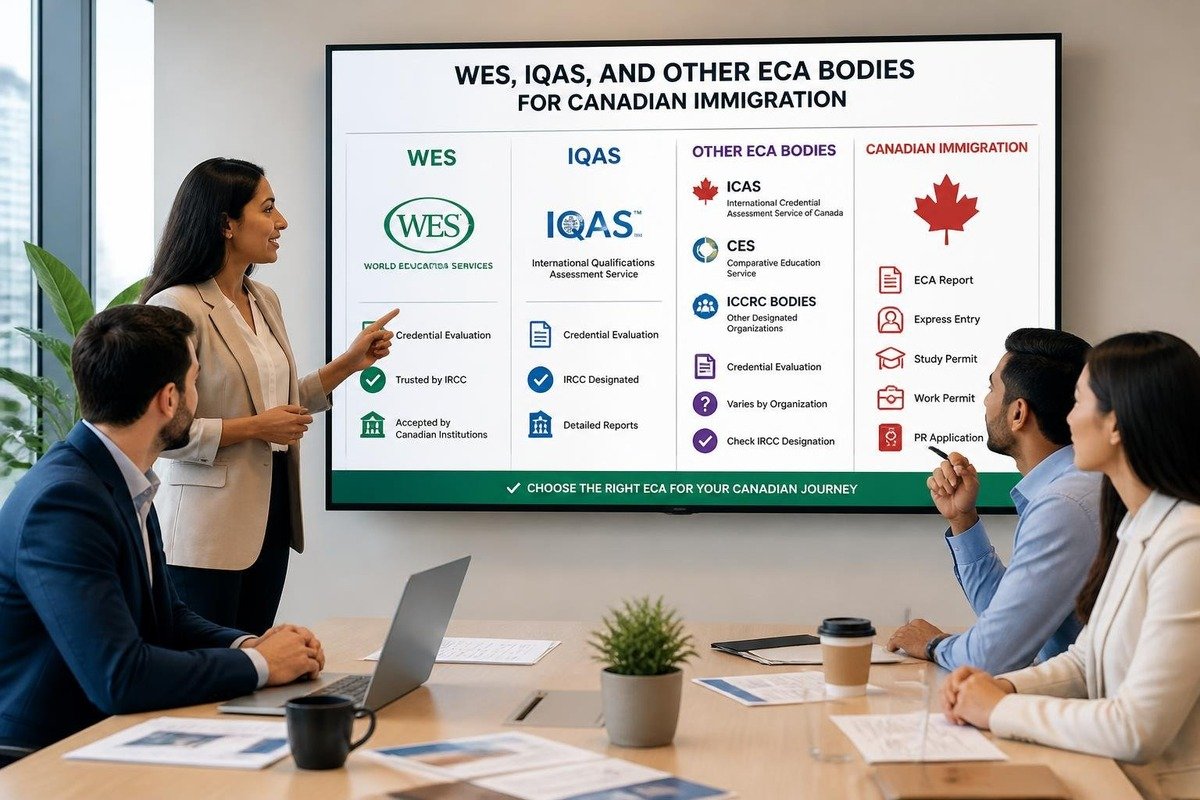
If you studied in Canada, you’ll need a recognized certificate, diploma, or degree. If you studied abroad, you must provide an Educational Credential Assessment (ECA) showing your education is equivalent to Canadian standards.
No shortcuts here, but no discrimination either.
Selection Factors: The 67-Point Gate
Meeting the minimum requirements isn’t the finish line—it’s the starting line.
Eligible applicants are scored out of 100 using six selection factors:
Language skills, education, skilled work experience, age, arranged employment in Canada, and adaptability.
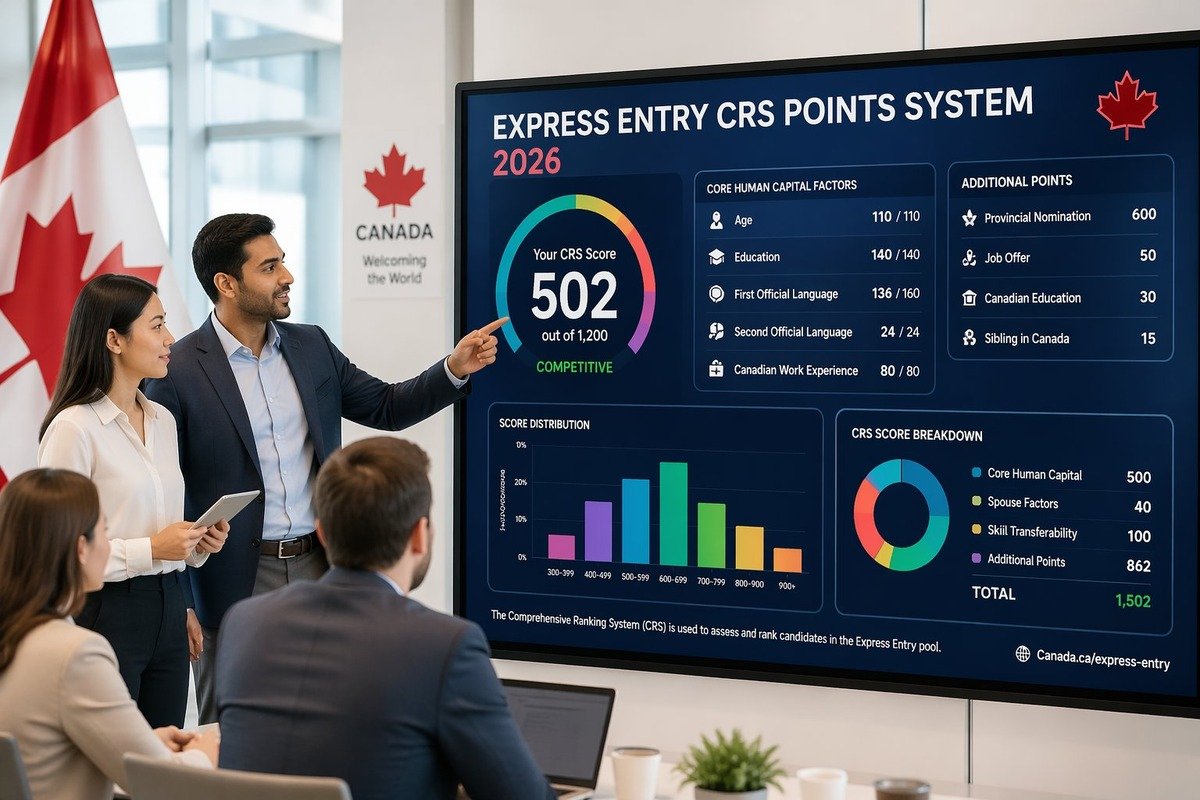
Score 67 points or higher, and you may qualify to enter the Express Entry pool. These points are different from your Express Entry ranking score, which determines whether you receive an invitation to apply.
Proof of Funds: Showing You Can Land on Your Feet
Most applicants must show they have enough money to support themselves and their family after arriving in Canada.
You don’t need proof of funds if you’re already legally working in Canada and have a valid job offer. Everyone else does.
Canada likes ambition—but prefers it financially prepared.
Admissibility: The Non-Negotiables
You must be admissible to Canada. Certain security, criminal, or medical issues can make someone ineligible. This part isn’t flexible, poetic, or negotiable.
Where You Can Live in Canada
Applicants must plan to live outside Quebec, as Quebec runs its own skilled worker program. When filling out your profile, you’ll be asked where you plan to live, but you’re not locked into that choice—unless you’re applying as a Provincial Nominee, in which case you must settle in the nominating province.
The Bottom Line
The Federal Skilled Worker Program is Canada’s structured, points-based way of saying “Show us what you bring, and we’ll see if there’s room at the table.”
If you have the skills, experience, language ability, and preparation, this program remains one of the most reliable pathways to Canadian permanent residence—no Canadian work history required.
Source